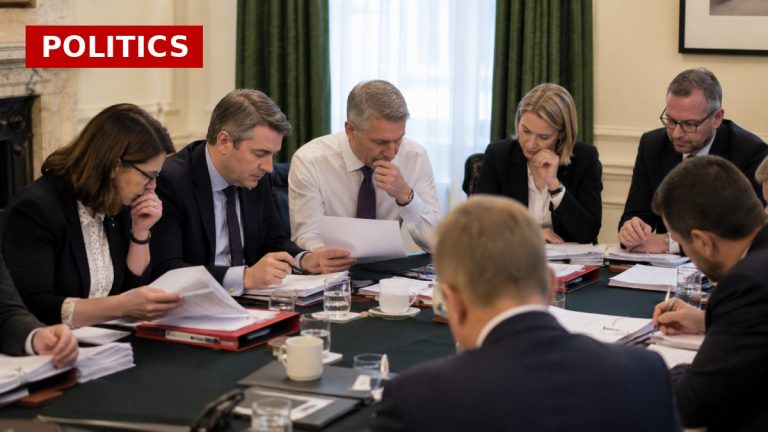
The proposed Good Jobs Bill in Northern Ireland is facing significant opposition, particularly from the Democratic Unionist Party (DUP). Deputy First Minister Emma Little-Pengelly has labelled the bill as ‘half-baked’, claiming it lacks support from the business community. This legislation aims to enhance workers’ rights, including greater access for trade unions to workplaces, which has sparked a heated debate about its implications for employment practices.
Little-Pengelly’s criticism highlights a broader concern regarding the balance between worker protections and business interests. The DUP’s reluctance to support the bill, unless certain provisions are removed, raises questions about the future of workers’ rights in the region. The proposed changes could potentially restrict zero-hours contracts and provide better leave options for parents and carers, which many argue are essential for improving working conditions.
Sinn Féin’s Economy Minister, Caoimhe Archibald, defends the bill, asserting that it is crucial for ensuring fair treatment of all workers. However, the lack of consensus among political parties complicates the legislative process, with unions expressing alarm over the DUP’s attempts to dilute the bill’s key provisions.
As the debate continues, the outcome of this legislation could have lasting effects on employment standards in Northern Ireland, influencing not only workers’ rights but also the region’s economic landscape. The tension between political factions may ultimately determine the future of the Good Jobs Bill and its intended benefits for the workforce.
Source: BBC News