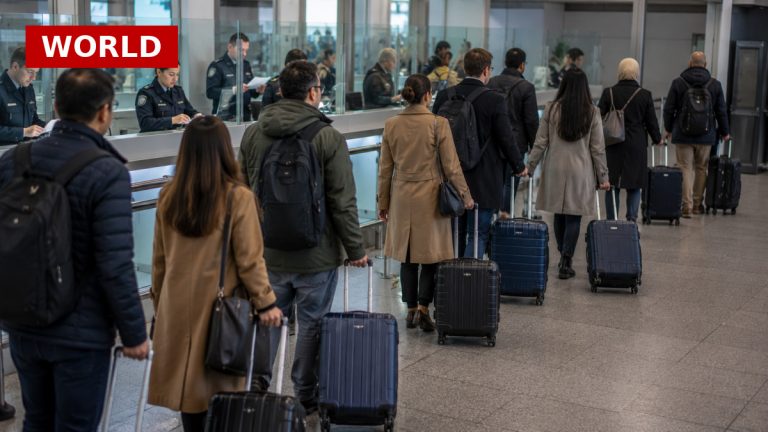
The International Labour Organization (ILO) reports that only 5.1% of Afghanistan’s labor market consists of women, a stark decline from previous years. This significant drop highlights the severe restrictions imposed on women’s access to education and employment since the Taliban regained power in 2021. The implications are profound, as the exclusion of women from the workforce hampers economic recovery and resilience in a country already facing considerable challenges.
The ILO emphasizes that Afghanistan’s economy cannot thrive while a large segment of its population remains sidelined. With the labor market under pressure, the return of over 6 million Afghans from abroad adds to the complexity, straining job availability and economic stability. The report warns that remittance inflows, crucial for many households, are projected to halve, further exacerbating financial hardships.
Inflation is also on the rise, with figures jumping from less than 1% to around 8% in just a year, disproportionately affecting poorer households. This economic strain is compounded by external factors, including the ongoing crisis in Iran, which threatens trade and transport routes, and could lead to increased returns of Afghan migrants.
As the situation evolves, the ILO calls for urgent action to address women’s exclusion from the labor market, stressing that without their participation, Afghanistan’s economic future remains bleak. The report serves as a critical reminder of the interconnectedness of gender equality and economic health, urging stakeholders to prioritize inclusive policies for sustainable growth.
Source: DW News