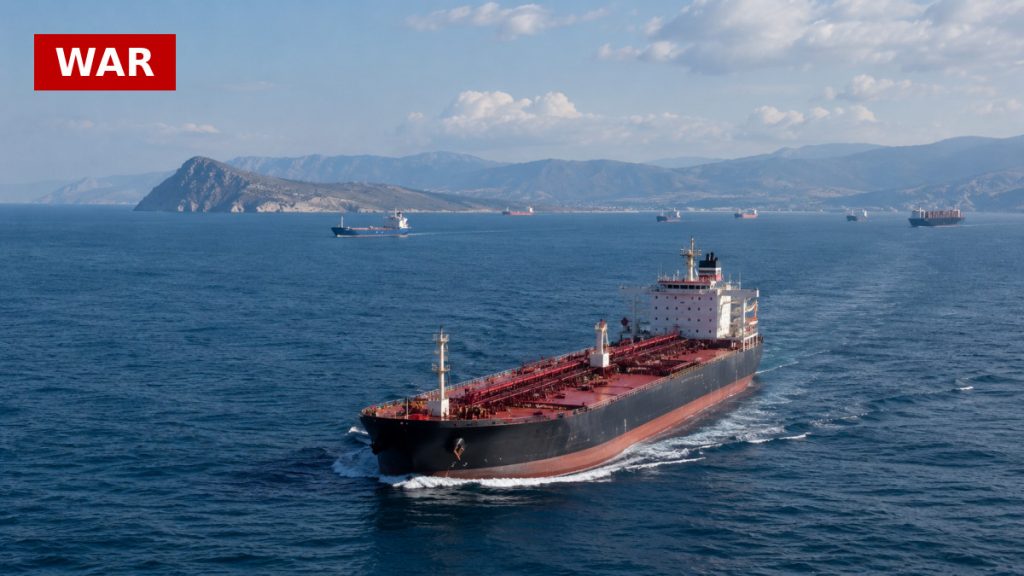
Iran and Oman have postponed crucial talks aimed at addressing tensions in the Strait of Hormuz, a vital shipping route for global oil supplies. This decision, made at the request of several regional countries, underscores the complexities of achieving consensus amid rising hostilities. The delay follows a recent attack on an Iranian vessel, which has heightened security concerns and disrupted maritime operations in the area.
The Strait of Hormuz is a chokepoint through which approximately one-fifth of the world’s oil and liquefied natural gas flows. The ongoing conflict and military actions have significantly impacted shipping traffic, raising fears of further escalations that could affect energy prices globally. The United States has expressed a desire to restore shipping levels to pre-war conditions, but Iran’s insistence on controlling navigation routes complicates matters.
Oman, acting as a mediator, has proposed a joint mechanism for managing the strait, including a controversial fee structure for vessels. However, Iran’s rejection of voluntary fees in favour of compulsory payments reflects its strategic priorities and the ongoing power struggle in the region. The failure to reach an agreement could lead to increased tensions and further disruptions in global energy markets.
As negotiations stall, the implications for everyday consumers in the UK could be significant. Fluctuations in oil prices resulting from instability in the Strait of Hormuz may translate into higher fuel costs and energy prices domestically, affecting household budgets and economic stability in the long term.
Source: Al Jazeera