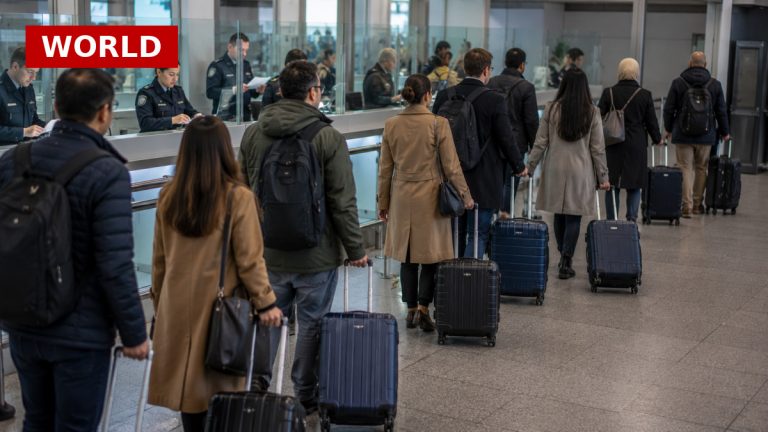
The recent deportation of nearly 5,000 undocumented Bangladeshi nationals from West Bengal has sparked significant human rights concerns and strained diplomatic relations with Bangladesh. This move, fulfilling a key promise of Prime Minister Modi’s government, raises questions about the verification process and the potential wrongful expulsion of individuals who may not be Bangladeshi citizens.
Critics argue that the deportation process lacks transparency and due process, particularly affecting marginalized communities. The fear of wrongful expulsion looms large, as many individuals may struggle to prove their citizenship amidst a politically charged atmosphere. This situation highlights the delicate balance between national security and human rights, with the potential for serious injustices.
Moreover, the deportations could exacerbate tensions between India and Bangladesh, as the latter insists on proper verification before accepting any returnees. The Indian government’s approach risks creating a diplomatic rift, complicating an already sensitive relationship.
Ultimately, this situation transcends immigration policy; it delves into deeper issues of identity, belonging, and the responsibilities of the state. As the BJP seeks to solidify its political base, the implications of these deportations could resonate far beyond West Bengal, influencing national discourse on citizenship and rights.
Source: DW News