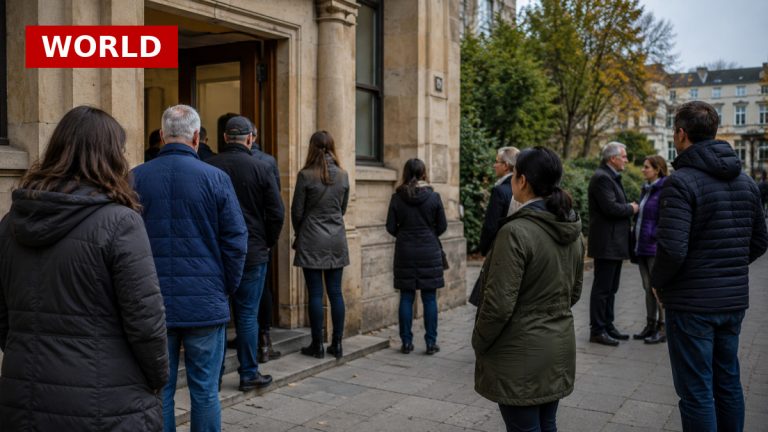
In the northern Moroccan town of Fnideq, hundreds are anxiously waiting for news of their missing relatives following a mass crossing into Spain’s Ceuta. As the death toll rises, families are holding up photos of their loved ones, hoping for a glimpse among the returnees. The situation is dire, with at least 88 confirmed dead and many still unaccounted for, highlighting the human cost of migration in the region.
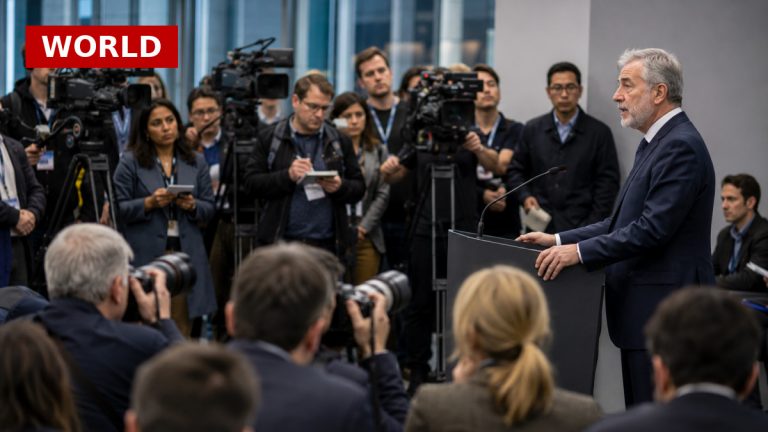
The recent influx of around 72,000 people into Ceuta has sparked a crisis, prompting emergency meetings among EU interior ministers. Many who crossed did so under the belief that they would find better opportunities, only to face harsh realities upon arrival. Some have returned voluntarily, citing hunger and fear, while others were forcibly escorted back by Spanish authorities.
The plight of unaccompanied minors is particularly alarming, with reports of children wandering the streets of Ceuta, separated from their families. NGOs are raising concerns about the treatment of these vulnerable individuals, as many are being returned without being given the chance to seek asylum.
This tragic event underscores the complex dynamics of migration, exacerbated by misinformation and social media. As families search for answers, the situation at the border reflects broader issues of migration policy and humanitarian responsibility in Europe.
Source: The Guardian