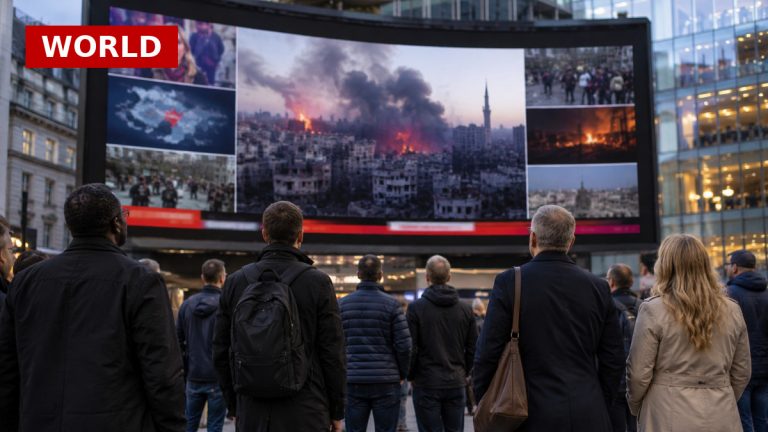
The recent 7.1 magnitude earthquake in Kumamoto, Japan, has left at least 25 confirmed dead and many more missing, with rescue efforts intensifying as time runs out. Thousands are now living in makeshift shelters, facing not only the trauma of loss but also the harsh realities of inadequate supplies, including food and clean water.
Survivors are struggling in the sweltering heat, with temperatures soaring above 33°C, raising concerns about heatstroke and dehydration. The local government is overwhelmed, as many homes remain without power or water, forcing families to camp in vehicles or outdoors while they await aid.
The destruction is widespread, with significant damage reported at the Aeon Mall, where many were trapped following a roof collapse. The economic impact is likely to be severe, affecting local businesses already reeling from the pandemic.
As the focus shifts to recovery, the psychological toll on residents will be a long-term concern, with many struggling to cope with their losses. The situation underscores the need for swift humanitarian response and long-term support for rebuilding efforts in the affected areas.
Source: PBS News