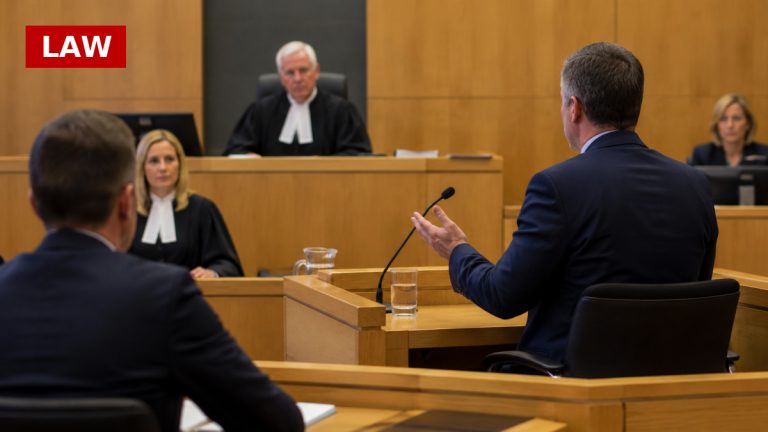
Sir Jeffrey Donaldson, the former leader of the Democratic Unionist Party, is currently on trial facing 18 charges of sexual abuse, including rape. He has denied all allegations, asserting that he did not attend a meeting with one of his accusers to address claims against him. During his testimony, he described the meeting as a positive encounter, despite the accuser’s emotional response.
The prosecution has suggested that Donaldson’s presence at the meeting was an attempt to mitigate the allegations. However, he maintains that he was unaware of the meeting’s purpose and only sought to support the accuser in her faith journey. This contradiction raises questions about the nature of their interaction and the context in which the alleged abuse occurred.
As the trial progresses, the implications of Donaldson’s testimony could have far-reaching effects on public perception of the case and the political landscape in Northern Ireland. The outcome may influence how similar allegations are treated in the future, particularly within political circles.
Additionally, the case highlights the complexities surrounding historical abuse claims, especially those involving public figures. The trial not only addresses the specific allegations but also reflects broader societal issues regarding accountability and the handling of such sensitive matters.
Source: BBC News