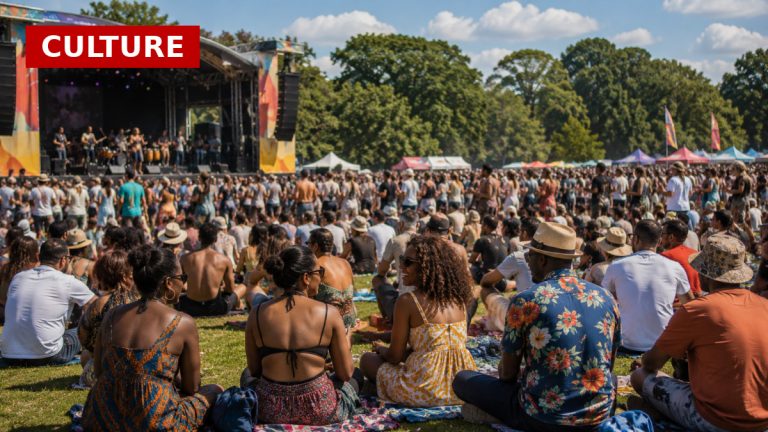
The recent emergence of the Ínség-szikla, or Famine Rock, in Budapest’s Danube Riverbed has ignited a debate about climate change and its visible impacts. As the river’s water levels drop, areas that were once submerged are now exposed, leading to spontaneous gatherings and parties on the dry riverbed. While some revel in this new urban space, others view it as a stark reminder of environmental degradation.
This phenomenon is not just a local curiosity; it reflects a broader trend of changing climate patterns affecting Europe. The frequency and duration of these dry spells are increasing, raising concerns about water management and ecological balance. The Danube, a vital waterway, is experiencing unprecedented changes that could have long-term implications for biodiversity and local economies.
Heritage architect László Wild has noted the disarray of the riverbed, where remnants of the past, such as old rubbish bins and construction debris, are surfacing. This juxtaposition of history and modernity highlights the urgent need for sustainable practices in urban planning and environmental conservation.
As Budapest residents adapt to this new reality, the duality of celebration and concern emerges. The riverbed parties symbolize a carefree spirit, yet they also underscore the pressing issue of climate change, prompting a call to action for both locals and policymakers to address these environmental challenges head-on.
Source: Euronews