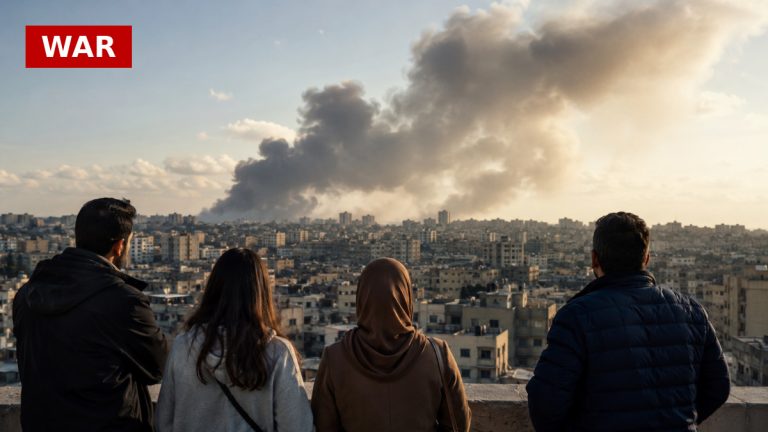
A recent Ukrainian drone attack in Nizhnekamsk, Russia, has resulted in at least 13 fatalities and 48 injuries, marking one of the deadliest strikes since the onset of the invasion over four years ago. This incident highlights a significant escalation in Ukraine’s military strategy, targeting key infrastructure far from the front lines, which could alter the dynamics of the ongoing conflict.
The attack on the Taneco oil refinery is particularly noteworthy, as it not only causes immediate casualties but also threatens Russia’s oil refining capacity. This could lead to fuel shortages within Russia, impacting both civilian life and military operations. The ramifications of such strikes may push Russia to reconsider its military tactics and escalate its own retaliatory measures, potentially increasing civilian casualties on both sides.
Ukrainian President Volodymyr Zelenskyy stated that these operations aim to compel negotiations with Russia, suggesting that Ukraine is willing to escalate its responses to Russian aggression. As both nations ramp up their drone warfare, the balance of power may shift, with long-term implications for regional stability and international relations.
The UN has noted a rise in civilian casualties due to these attacks, raising concerns about the humanitarian impact of the conflict. As the war continues to evolve, the effects of these strikes could resonate far beyond the immediate area, affecting global energy markets and international diplomatic efforts to resolve the crisis.
Source: DW News