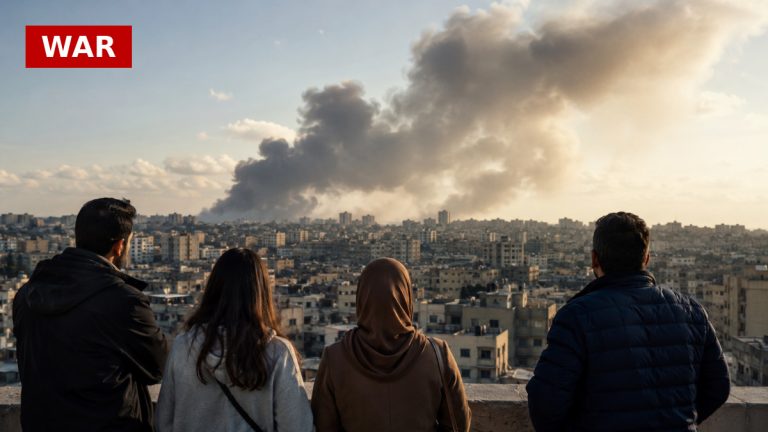
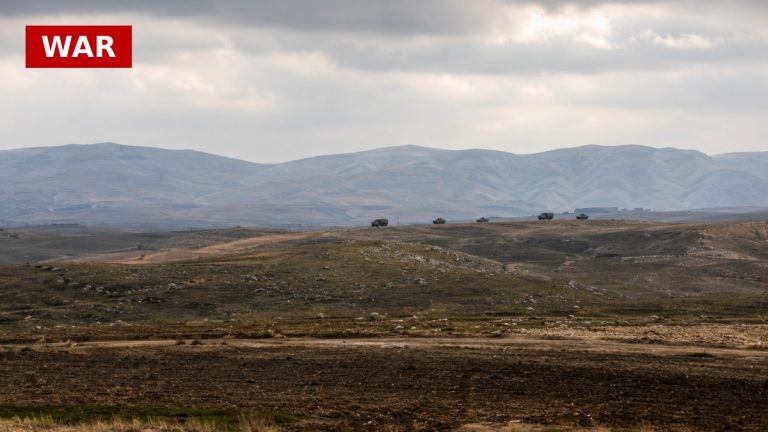
As Russia intensifies its long-range attacks on Ukraine, the introduction of interceptor drones marks a significant shift in the defense strategy. These small kamikaze helicopters are specifically designed to counter the Iranian-made Shahed drones, which have become a staple in Russia’s aerial assaults. The speed and sophistication of these drones pose a growing threat, making the interceptor drones a crucial asset in Ukraine’s air defense.
The deployment of these advanced drones not only enhances Ukraine’s defensive capabilities but also reflects a broader trend in modern warfare where technology plays a pivotal role. As the conflict evolves, the ability to adapt and integrate new technologies will be essential for maintaining an edge over adversaries. This shift could influence future military strategies and procurement decisions across the globe.
Moreover, the effectiveness of these interceptor drones could lead to increased investment in drone technology by other nations, potentially reshaping the landscape of military engagements. Countries may seek to develop similar capabilities, recognizing the importance of drone warfare in contemporary conflicts.
In the long term, this development may also affect civilian life in Ukraine, as enhanced air defenses could lead to reduced casualties and damage from aerial attacks. As these technologies continue to evolve, the implications for both military and civilian sectors will be profound, highlighting the interconnectedness of defense innovations and everyday safety.
Source: France 24