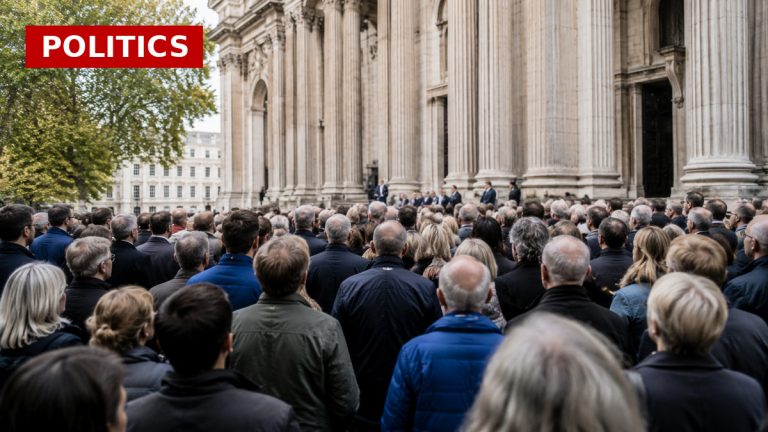
Protests in Dublin have erupted as citizens express their frustration over the government’s handling of the cost of living crisis. Demonstrators have labelled the administration as ‘dangerous’ and ‘out of touch’, voicing concerns over rising fuel prices and immigration policies. This unrest reflects a broader sentiment among the public, who feel increasingly disconnected from their leaders.
The protests are not isolated incidents; they are part of a growing trend of public dissent that has been building for three years. Many protesters believe that the government’s decisions have exacerbated economic hardships, leading to a sense of betrayal among constituents. This dissatisfaction could lead to significant political repercussions if the government fails to address these issues.
Moreover, the protests underscore a shift in public awareness regarding political accountability. Many participants have become more politically engaged, educating themselves on government actions and policies. This newfound awareness may influence future elections and policy debates, as voters demand more transparency and responsiveness from their leaders.
As the cost of living continues to rise, the potential for increased civil unrest looms. The government must navigate these challenges carefully, as failure to do so could lead to more frequent and larger protests, fundamentally altering the political landscape in Ireland.
Source: GB News