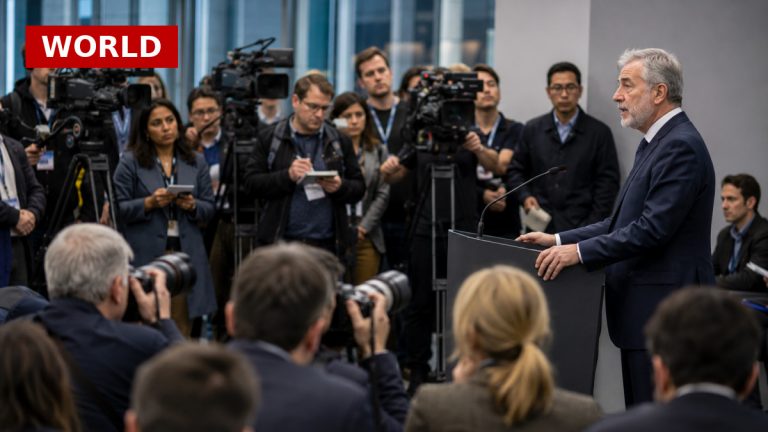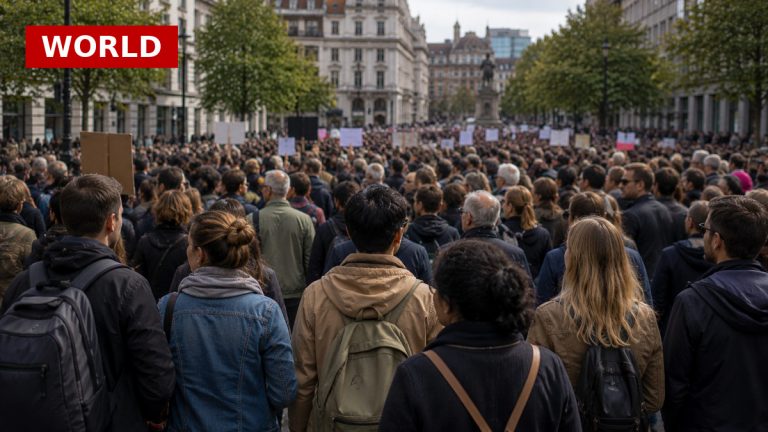
As Pakistan-administered Kashmir prepares for local elections, the political landscape is fraught with tension. The elections, set against a backdrop of deadly protests over reserved seats for displaced individuals from India-administered Kashmir, raise questions about their potential to calm unrest. The Jammu Kashmir Joint Awami Action Committee (JAAC), a grassroots group advocating for local representation, has called for a boycott, arguing that only residents should contest elections. This sentiment reflects a broader demand for governance reforms and fair representation.
The Supreme Court’s ruling that refugee seats are constitutionally protected has intensified the conflict, leading to violent protests and significant casualties. While the elections are seen as a chance for the people of Azad Jammu and Kashmir (AJK) to choose their leaders, many doubt whether this will address the underlying grievances that have fueled protests. Analysts suggest that the JAAC’s influence is growing, as it unites citizens across political lines around issues of governance and economic reform.
The upcoming elections are divided into phases, with security concerns prompting delays in certain areas. However, experts warn that simply holding elections will not resolve the deep-seated issues facing AJK. The next government may struggle to gain legitimacy, caught between the demands of the populace and the control exerted by the Pakistani establishment. Without addressing key grievances, further unrest could emerge, indicating that the political climate remains volatile.
Ultimately, the elections represent a critical juncture for AJK. While they offer an opportunity for change, the real challenge lies in rebuilding trust and addressing the demands of the JAAC and its supporters. The outcome will not only shape local governance but could also influence the broader constitutional debate over Kashmir, highlighting the complexities of this long-standing conflict.
Source: DW News