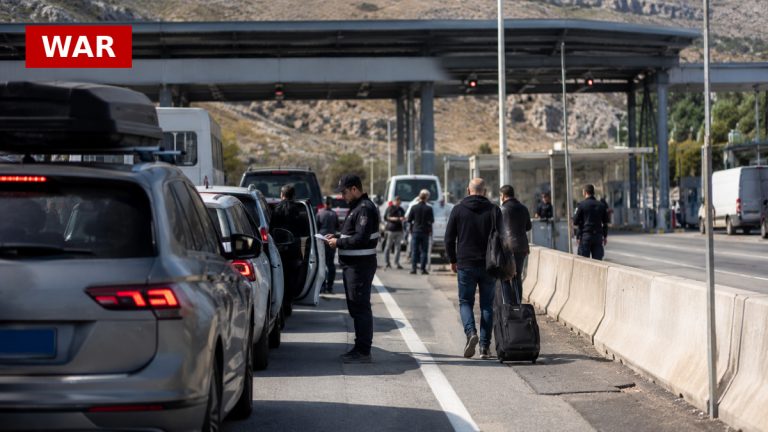
The CIA’s recent warning about potential Russian drone attacks on southern Europe highlights a significant shift in security dynamics. Countries like Spain, France, and Italy, which are perceived as politically vulnerable, could become targets for low-cost, high-impact operations. The use of drones launched from merchant vessels poses a new challenge, as these attacks could disrupt critical infrastructure without the need for direct military engagement.
This threat is not just theoretical; it reflects a strategy that exploits existing weaknesses in air defense systems. Analysts suggest that Moscow aims to demonstrate its reach and capability to strike at the heart of Europe, undermining the notion that geographical distance provides safety. The implications extend beyond military concerns, as these actions could influence upcoming elections in these nations, potentially swaying public sentiment against continued support for Ukraine.
Moreover, Spain’s reluctance to increase defense spending amid rising tensions with the U.S. adds to its vulnerability. The lack of robust air defense systems could leave the country exposed to such drone threats, intensifying the pressure on the Spanish government to reassess its military priorities. This situation underscores the urgent need for European nations to bolster their defenses against unconventional warfare tactics.
As the threat landscape evolves, the presence of Russian assets in southern Europe complicates matters further. The intertwining of economic interests and security risks raises questions about the extent of Russian influence in these regions. The CIA’s warning serves as a stark reminder that Europe can no longer afford to view such threats as distant, necessitating a proactive approach to national security and defense strategies.
Source: Euronews