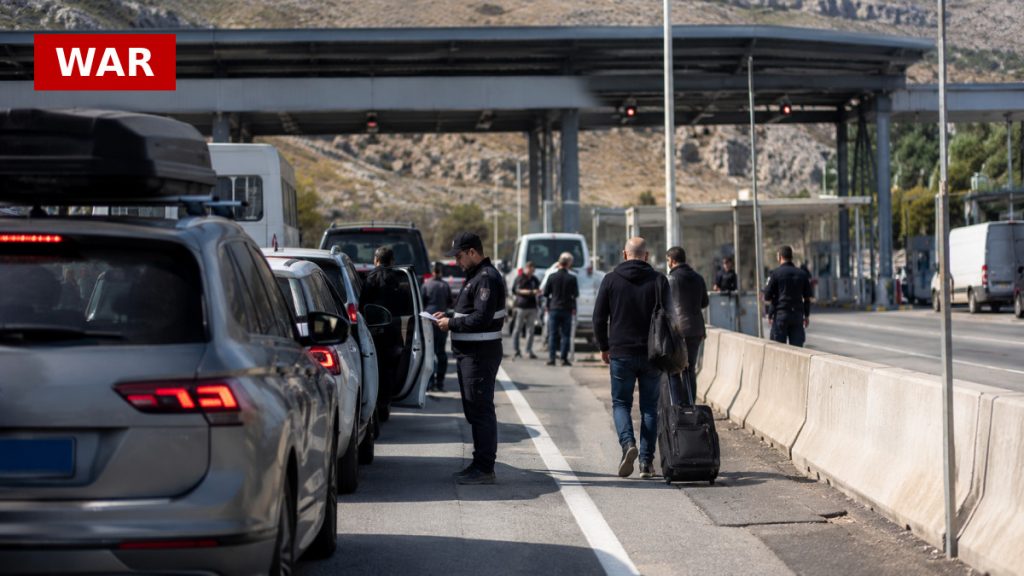
The recent agreement to end the Iran war and lift the U.S. naval blockade in the Strait of Hormuz has significant implications for global oil markets. With the strait being a crucial passage for oil shipments, its reopening could lead to a decrease in oil prices, providing relief to consumers and businesses alike. This shift may also influence energy policies in Europe and Asia, as countries look to stabilize their energy supplies.
Moreover, the deal signals a potential thaw in U.S.-Iran relations, which could reshape geopolitical dynamics in the Middle East. As Iran regains access to international markets, its economy may strengthen, impacting regional stability and the balance of power. The agreement also raises questions about the future of Iran’s nuclear program, which remains a contentious issue.
The ceasefire, however, does not resolve underlying tensions, particularly regarding Iran’s missile capabilities and its support for proxy groups in the region. The next 60 days will be critical as negotiations continue, and any failure to address these issues could reignite conflict.
For everyday consumers, the end of the blockade could mean lower fuel prices and a more stable energy market. However, the long-term effects on international relations and regional security remain uncertain, highlighting the delicate balance of power in the Middle East.
Source: PBS News