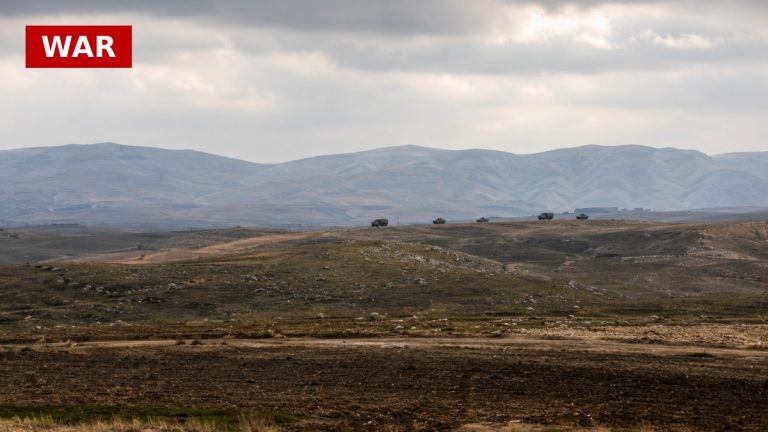
Recent exchanges of attacks between Russia and Ukraine have resulted in casualties on both sides, highlighting the ongoing volatility of the conflict. Ukrainian forces targeted Russian oil refineries and logistics centres, aiming to disrupt fuel supplies crucial for military operations. This strategy reflects Ukraine’s intent to weaken Russia’s war capabilities through sustained strikes on its infrastructure.
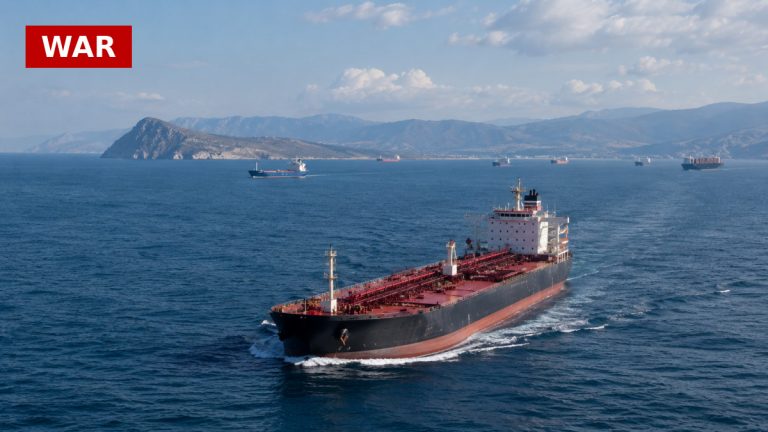
The impact of these military actions extends beyond the battlefield, particularly affecting global grain supplies. With Ukraine attacking shipping routes in the Black Sea, concerns are rising over potential blockages to grain export corridors. As Russia and Ukraine are both major agricultural exporters, any disruption could lead to significant price increases, particularly affecting developing nations reliant on these imports.
In Russia, the ramifications of Ukrainian strikes on facilities like Wildberries, the largest online retailer, are becoming evident. The company has begun compensating sellers for damages, indicating the economic fallout from the conflict is penetrating civilian life and commerce.
As the war continues, the interconnectedness of military action and global economic stability becomes increasingly apparent, with both nations’ agricultural outputs under threat. This situation serves as a stark reminder of how local conflicts can ripple across the globe, affecting food security and economic conditions far beyond their borders.
Source: Al Jazeera