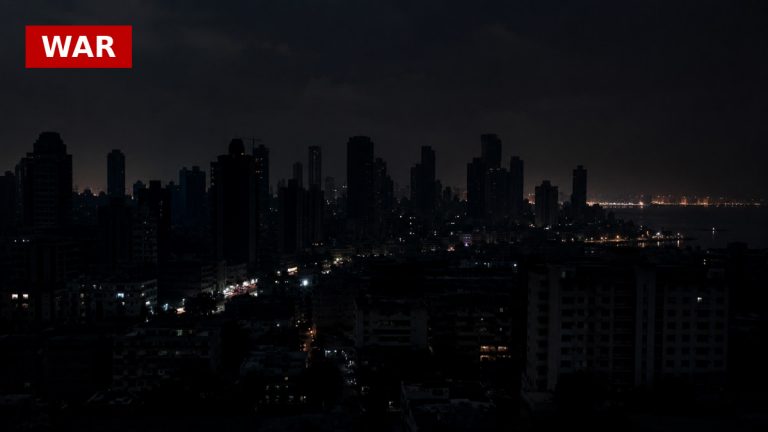
The recent barrage of missiles and drones on Kyiv by Russia has resulted in significant casualties, with at least 25 reported dead. This escalation follows Ukraine’s intensified drone attacks on Russian military installations and oil refineries, which have led to fuel shortages across Russia. The ongoing conflict is not just a military struggle; it is also creating a humanitarian crisis as civilians bear the brunt of the violence.
As Ukraine continues to retaliate, the dynamics of the war are shifting. The fuel shortages in Russia are causing public discontent, with long lines at gas stations and increasing calls for an end to the conflict. This could lead to political pressure on the Kremlin, potentially influencing future negotiations. The situation highlights the interconnectedness of military actions and domestic stability in both countries.
Moreover, the war’s toll on Russian military personnel is alarming, with estimates suggesting over one million casualties. This loss is compounded by recruitment challenges, indicating that Russia may struggle to maintain its military presence in the long term. The psychological impact on soldiers and their families could further destabilize the situation.
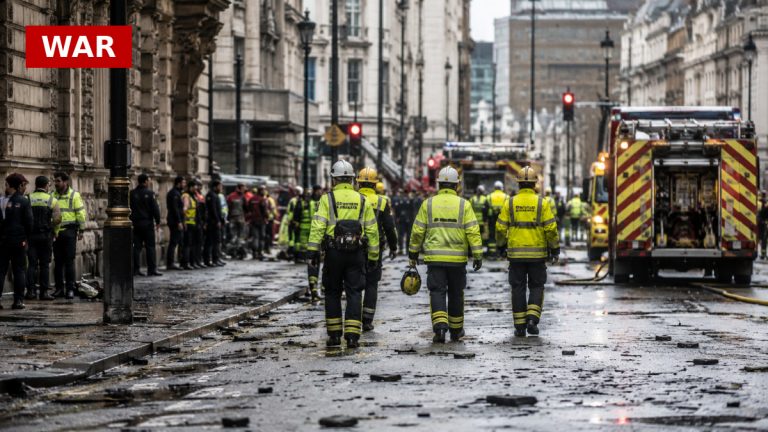
In Kyiv, the aftermath of the attacks is palpable, with emergency workers tirelessly searching for survivors amidst the rubble. The international community is urged to provide more air defense support to protect civilians. As the conflict escalates, the need for diplomatic solutions becomes increasingly urgent, with both sides facing mounting pressures from their populations.
Source: PBS News