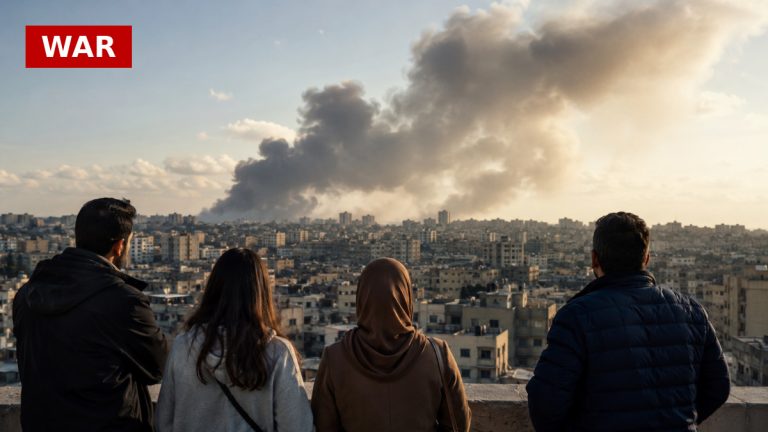
The recent missile and drone strikes by Houthi forces on Saudi Arabia’s oil facilities mark a significant escalation in the ongoing US-Iran conflict. This development not only threatens regional stability but also has far-reaching implications for global energy markets. With the Houthis controlling key areas in Yemen, their attacks could disrupt oil exports, leading to increased prices and potential shortages worldwide.
The situation is compounded by the fragile ceasefire that had been in place since 2022, which has now collapsed. The renewed hostilities could lead to a blockade of the Bab al-Mandeb Strait, a critical chokepoint for maritime trade. If both the Bab al-Mandeb and the Strait of Hormuz were to be blocked, the resulting supply chain crisis could have devastating economic consequences, affecting everything from fuel prices to food security in vulnerable nations.
Moreover, the conflict’s entanglement with the war in Ukraine adds another layer of complexity. Iranian vessels are reportedly being targeted, raising tensions further. This interconnectedness of conflicts suggests that the repercussions of the Houthi attacks will extend beyond the immediate region, potentially impacting global diplomatic relations and military strategies.
As the situation evolves, the international community must remain vigilant. The potential for further escalation remains high, and the economic fallout could reshape energy policies and trade routes, highlighting the urgent need for diplomatic solutions to prevent a broader crisis.
Source: Al Jazeera