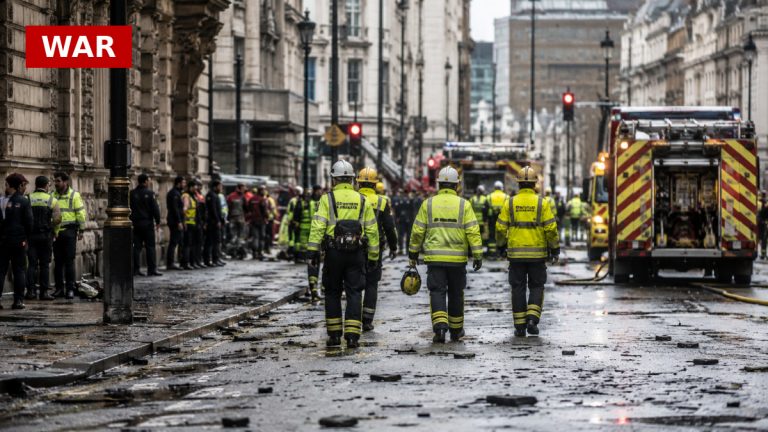
The ongoing conflict between Iran and the United States has intensified, with significant implications for regional stability and global energy markets. Recent US airstrikes have targeted critical infrastructure in Iran, including a desalination plant, leaving thousands without water. This escalation not only affects daily life in Iran but also raises concerns about the humanitarian impact of such military actions.
Iran’s retaliation has involved drone and missile strikes on US-allied Gulf states, further complicating the security landscape in the region. The closure of airspace in Kuwait and missile interceptions in Jordan highlight the immediate threats to civilian safety and infrastructure. As tensions rise, the potential for broader conflict increases, affecting international relations and economic stability.
The US’s renewed military actions come amid a backdrop of political maneuvering, with President Trump’s administration seeking to exert pressure on Iran ahead of upcoming elections. The reimposition of sanctions and a naval blockade on Iranian ports signal a shift in strategy that could have long-term repercussions for energy prices and supply chains globally.
As both nations engage in this tit-for-tat strategy, the risk of miscalculation looms large. The targeting of civilian infrastructure by both sides raises serious questions about adherence to international humanitarian law, potentially leading to further escalation and a cycle of violence that could destabilize the entire region.
Source: Al Jazeera