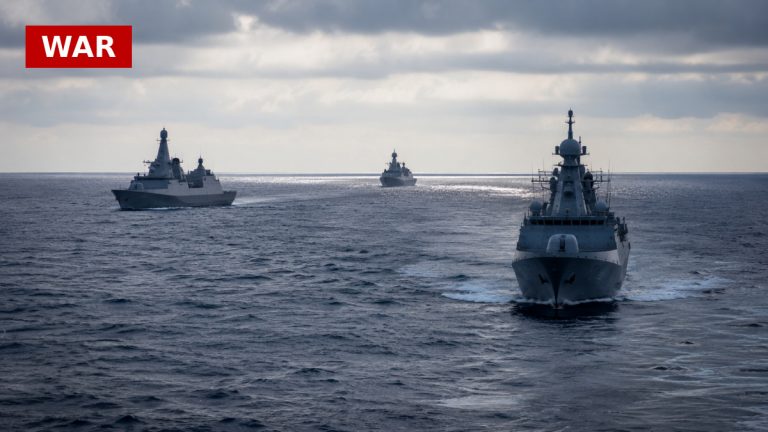
A recent Russian attack on Odesa has resulted in the deaths of at least three individuals, highlighting the ongoing escalation of conflict in the region. This assault is part of a broader strategy by Russia, which has intensified its strikes on Ukraine’s Black Sea ports, crucial for the country’s grain exports and overall economy. The attacks not only threaten civilian lives but also jeopardize Ukraine’s vital trade routes, which are essential for its wartime resilience.
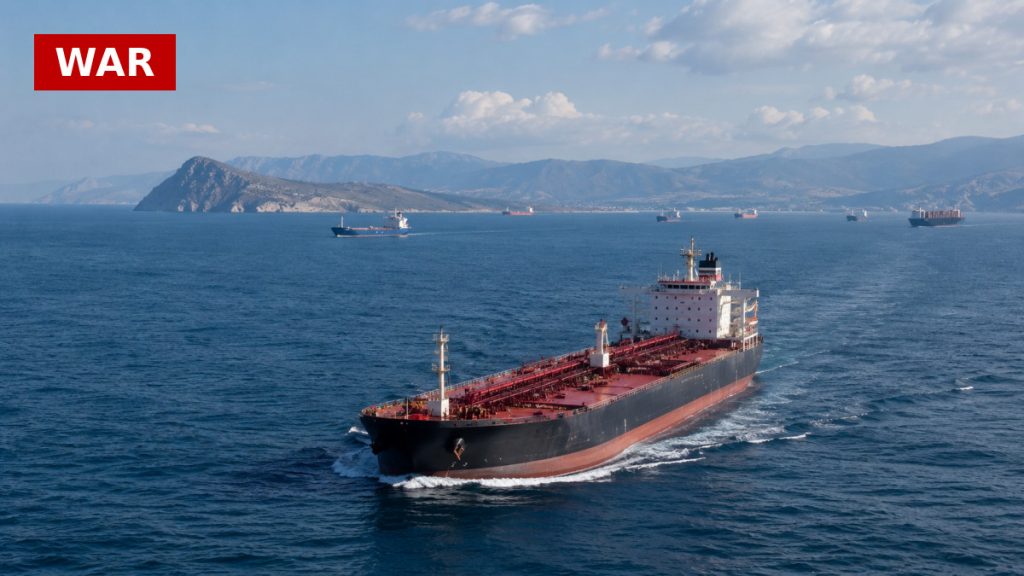
In response, Ukraine has ramped up its military operations, targeting Russian vessels in the Black Sea. Reports indicate that Ukraine has successfully struck multiple Russian oil and gas tankers, aiming to disrupt logistics for Russian forces. This counteroffensive reflects a strategic shift as Ukraine seeks to isolate Crimea and diminish Russian supply lines, potentially altering the dynamics of the conflict.
The implications of these developments extend beyond immediate military concerns. As Ukraine’s port infrastructure faces increasing threats, the potential for a significant impact on global grain markets looms large. Disruptions in grain exports could exacerbate food insecurity in various regions, particularly in countries reliant on Ukrainian grain.
Furthermore, the situation has drawn international attention, with European leaders discussing enhanced defence cooperation with Ukraine. This could lead to increased military support and further integration of Ukraine into European defence frameworks, potentially reshaping the geopolitical landscape in Eastern Europe.
Source: Al Jazeera