Fighting in Yemen has intensified, with the Houthis launching a major offensive that has resulted in civilian casualties and heightened tensions in the region. The Yemeni government has accused the Houthis of killing three children in an artillery attack, while the Houthis claim to have retaliated against Saudi airstrikes. This cycle of violence not only exacerbates the humanitarian crisis in Yemen but also poses a significant threat to regional stability, particularly for Saudi Arabia, which has issued alerts in response to Houthi missile attacks.
The recent escalation comes amid a backdrop of broader geopolitical tensions, particularly involving Iran, the US, and Israel. Pakistan has warned that continued Houthi aggression could activate the Mecca Joint Defence Agreement, a security pact involving Saudi Arabia and its allies. This agreement aims to bolster collective security against threats, indicating that the conflict could have wider implications for regional alliances and military strategies.
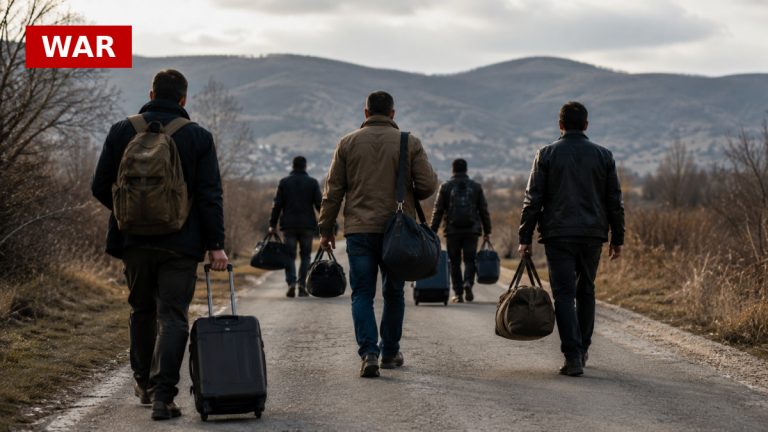
As the fighting continues, the humanitarian toll is severe, with over 1,000 casualties reported and tens of thousands displaced. The conflict, which has persisted since 2014, has seen a resurgence of violence following a brief truce in 2022. The renewed hostilities threaten to destabilise not only Yemen but also the surrounding areas, impacting oil exports and international shipping routes critical to global trade.
The situation remains fluid, with both sides preparing for further confrontations. The Houthis’ recent offensives in strategic locations like Hodeidah and Taiz could disrupt maritime traffic through the Bab al-Mandeb strait, a vital passage for oil shipments. As regional powers respond to these developments, the potential for a wider conflict looms, raising concerns about the future of peace and stability in the region.
Source: Al Jazeera