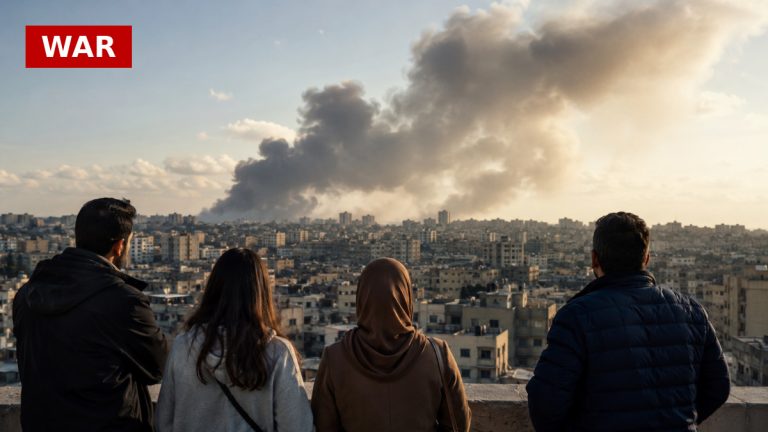
Ukraine’s recent drone assault on Russia, involving nearly 800 drones, marks a significant escalation in the ongoing conflict. This surge in drone warfare not only demonstrates Ukraine’s growing capabilities but also highlights the shifting dynamics of the battlefield, where traditional military engagements are increasingly replaced by aerial strikes. The aim is to pressure the Russian public and government, potentially influencing the course of negotiations.
The Russian response, which included intercepting a majority of these drones, underscores the challenges both sides face in maintaining air superiority. As Ukraine develops more sophisticated drone technology, the implications for military strategy and civilian safety become more pronounced. The attack’s timing, following a deadly missile strike on a Ukrainian village, suggests a tit-for-tat escalation that could lead to further civilian casualties on both sides.
Moreover, the involvement of British-made drones in these strikes raises questions about international complicity and the potential for broader geopolitical ramifications. Russia’s threats of consequences for the UK could signal a dangerous escalation, affecting diplomatic relations and military strategies.
As the conflict continues to evolve, the increasing reliance on drone warfare may redefine military engagements, impacting not only the immediate combatants but also the global perception of the war. The situation remains fluid, with both sides adapting to the new realities of warfare, which could have lasting effects on regional stability and international relations.
Source: PBS News