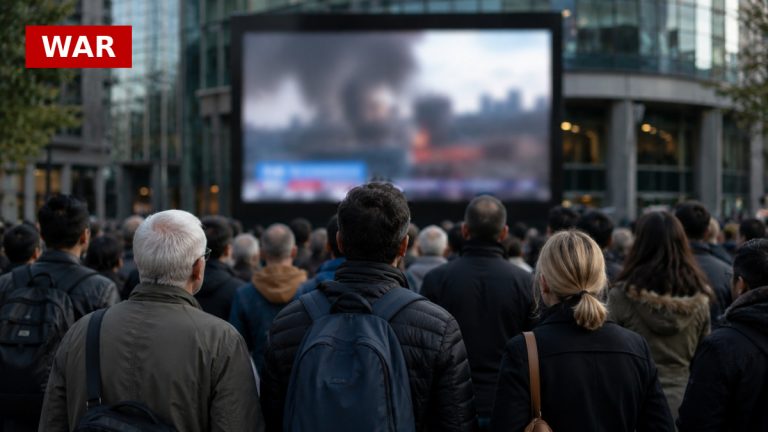
Racist riots have erupted across the UK, ignited by a viral video of a knife attack. The violence, which began in Belfast, has spread to other cities, revealing underlying tensions exacerbated by economic hardship and social discontent. The riots are not just isolated incidents; they reflect a growing anti-immigrant sentiment fueled by far-right rhetoric and social media disinformation.
The unrest is reminiscent of past racial violence in the UK, highlighting a troubling pattern where economic decline and feelings of disenfranchisement lead to scapegoating of minority communities. Areas with high unemployment and deprivation, particularly in Northern Ireland and parts of northern England, have become flashpoints for these riots. The legacy of the Troubles and the impact of Brexit have left many feeling disconnected and vulnerable.
Political leaders, including Keir Starmer, have condemned the violence, promising accountability for those involved. However, the challenge lies in addressing the root causes of such unrest. The normalization of xenophobic narratives in political discourse has created an environment where violence can erupt more easily.
As the situation develops, it’s crucial to consider the long-term implications of these riots. They not only threaten community safety but also risk deepening societal divides. The government’s response will be pivotal in either calming the unrest or allowing it to escalate further, potentially leading to more widespread violence and instability.
Source: DW News