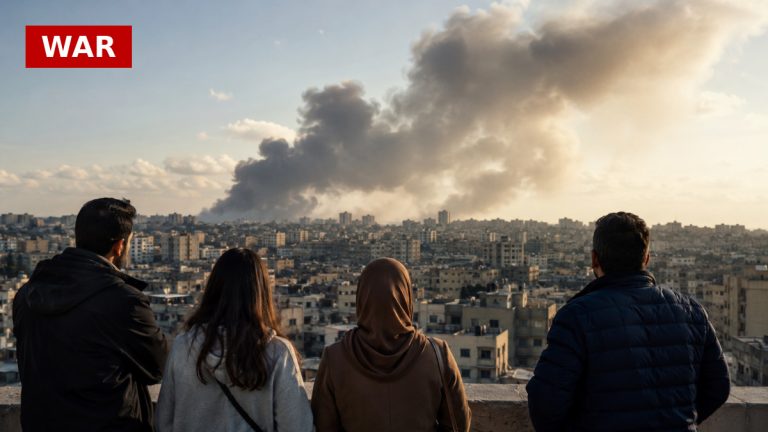
Iran’s recent missile strikes on Gulf allies following U.S. bombardments highlight a dangerous escalation in regional tensions. This retaliation comes after a tragic incident where a U.S. strike reportedly hit a wedding in Iran, killing civilians. Such acts not only deepen animosities but also raise fears of a wider conflict that could destabilize the already volatile region.
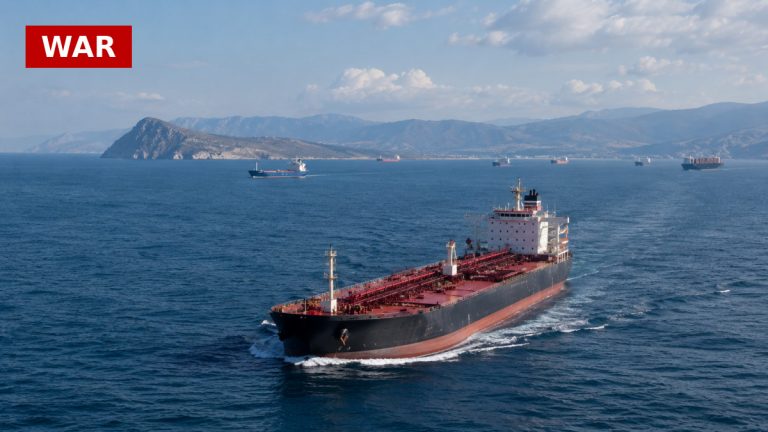
The immediate impact of these hostilities is being felt in the global oil market. Brent crude oil prices surged to around $95 per barrel, reflecting concerns about supply disruptions and geopolitical instability. As Iran’s economy suffers under sanctions, the regime’s aggressive actions may be an attempt to assert power and distract from internal issues, including a plummeting currency.
Moreover, the ongoing conflict poses significant challenges for U.S. foreign policy. As the political landscape shifts with upcoming elections, the Biden administration faces pressure to respond effectively while avoiding a full-scale war. Analysts suggest that the current cycle of violence may lead to a critical turning point, forcing both sides to reconsider their strategies to avoid further escalation.
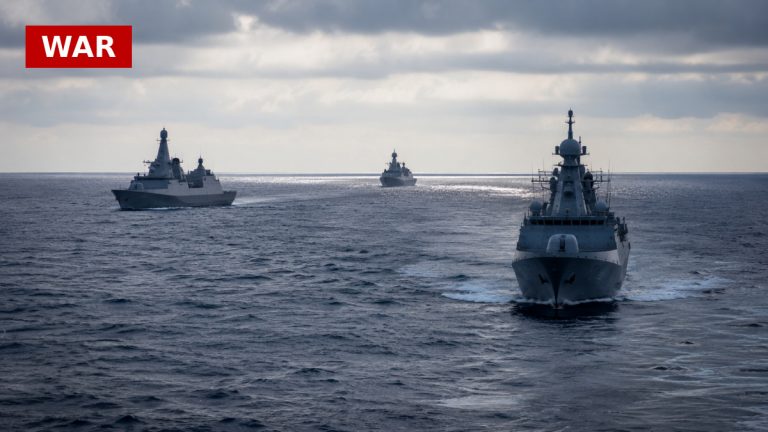
In this context, the situation remains precarious. The potential for miscalculation is high, and with both nations engaging in military posturing, the risk of a larger conflict looms ever closer. As these developments unfold, they will undoubtedly have lasting effects on regional stability and international relations.
Source: PBS News