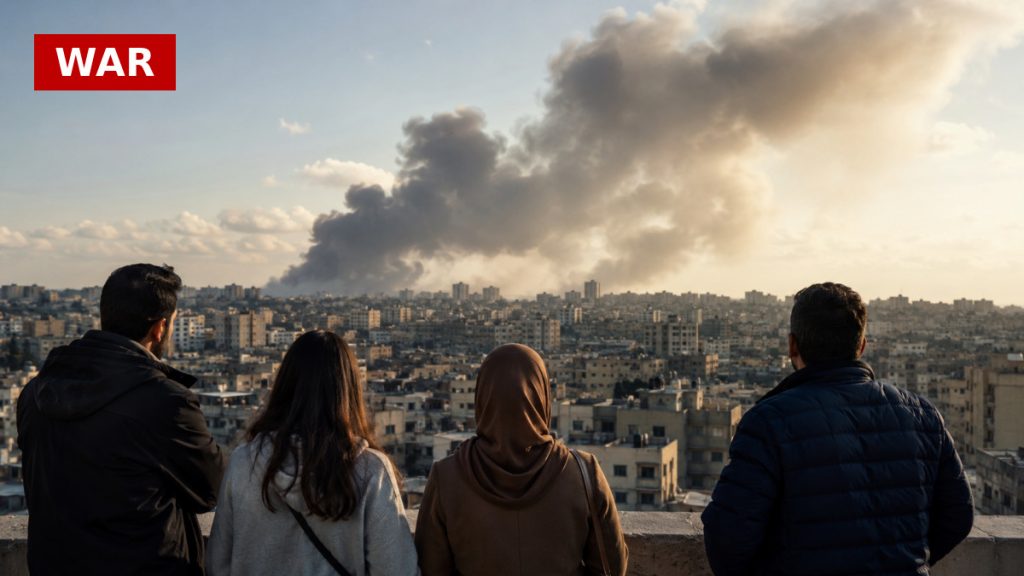
Iran’s recent missile strikes on US bases in Iraq and Jordan mark a significant escalation in tensions between Tehran and Washington. This retaliation comes after former President Donald Trump’s threats of ‘much harder’ strikes against Iran, indicating a potential shift in US military strategy in the region. The strikes have already resulted in civilian casualties, raising concerns about the humanitarian impact of such military actions.
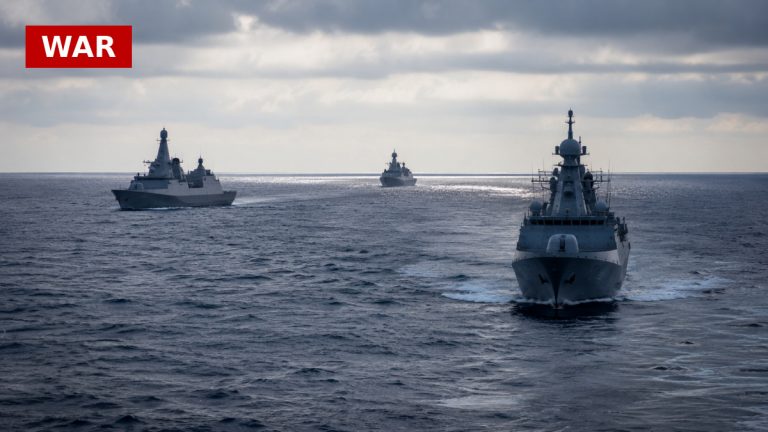
The situation is further complicated by the US’s new ‘tanker for tanker’ policy, which aims to deter Iranian aggression by targeting its maritime assets. This approach could lead to a cycle of retaliation that destabilizes the region further, affecting global oil supply and prices. The involvement of regional allies, such as Jordan and Bahrain, in intercepting Iranian missiles and drones highlights the broader implications for Middle Eastern security.
As military operations intensify, the psychological toll on US service members is also a concern, with reports of deteriorating mental health among troops deployed in the region. The arrival of the USS Abraham Lincoln in Thailand for rest underscores the strain on military personnel amid ongoing conflicts.
With the expiration of the Memorandum of Understanding between the US and Iran, the likelihood of further military confrontations increases. This situation not only threatens regional stability but also poses risks to international trade and security, making it crucial for global leaders to seek diplomatic solutions before tensions escalate further.
Source: GB News