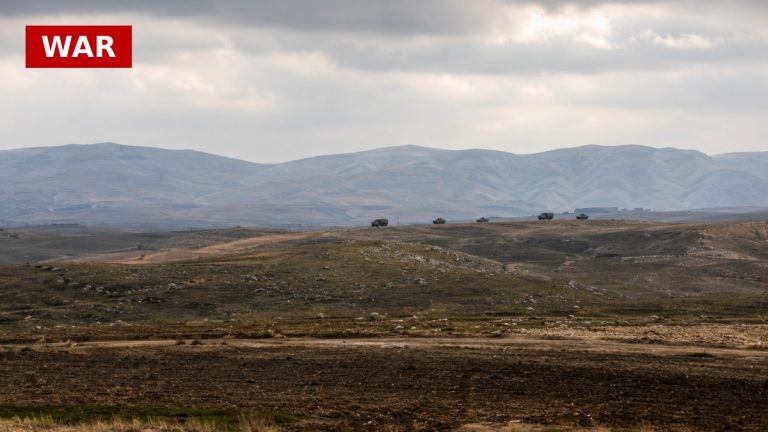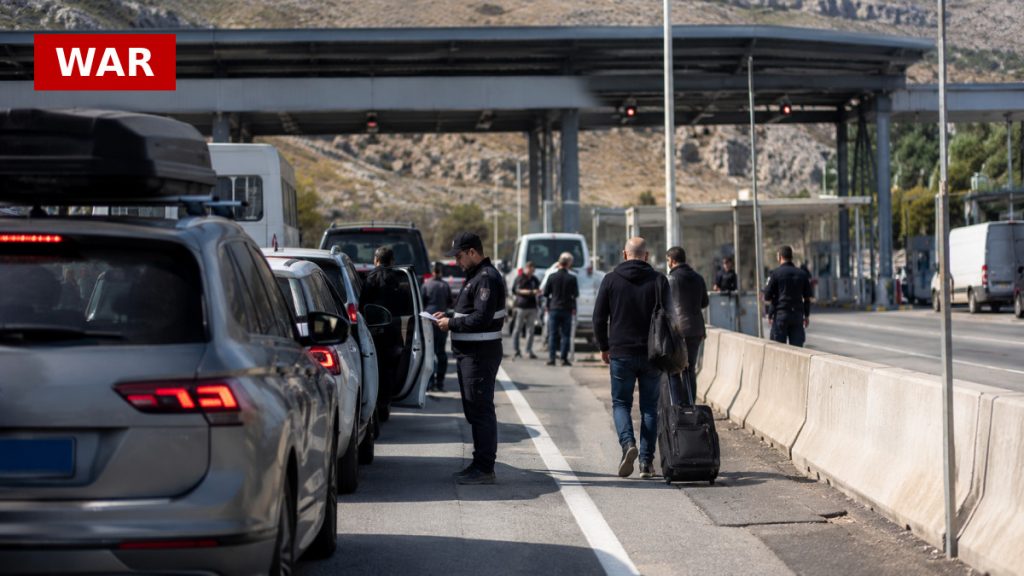
Israel has launched new attacks in Lebanon, resulting in the deaths of at least seven people. This escalation comes as both Israeli and Lebanese officials engage in direct negotiations in Washington, aimed at addressing ongoing conflicts. While the talks are described as ‘productive,’ the violence raises questions about their effectiveness and sincerity.
The current situation highlights a significant disconnect between diplomatic efforts and military actions. Lebanon is demanding an end to Israeli attacks and occupation, while Israel focuses on disarming Hezbollah. This divergence complicates the peace process, as ongoing violence undermines trust and the potential for a ceasefire.
For the UK, this conflict may seem distant, but it has implications for energy prices and regional stability. Increased military actions can lead to fluctuations in oil prices, which directly affect UK consumers and businesses. Additionally, heightened tensions in the Middle East can disrupt global supply chains, impacting various sectors in the UK economy.
Moving forward, observers should watch for any developments in the negotiations and whether they lead to a genuine ceasefire. The outcome of these talks could influence not only regional dynamics but also global economic conditions, including energy markets that the UK relies on.
Sources
Al Jazeera World