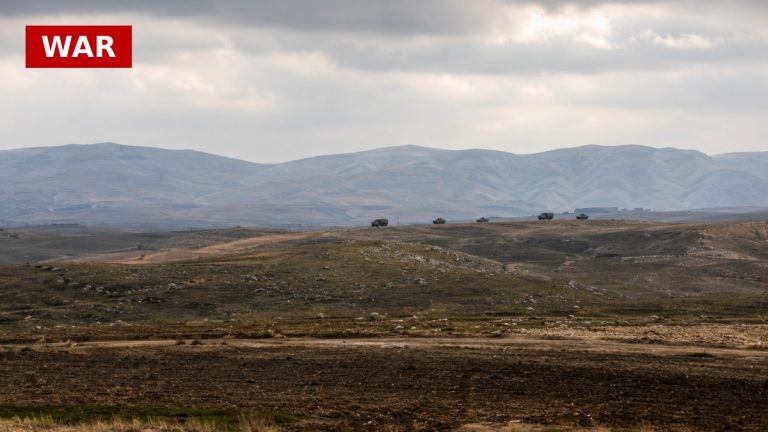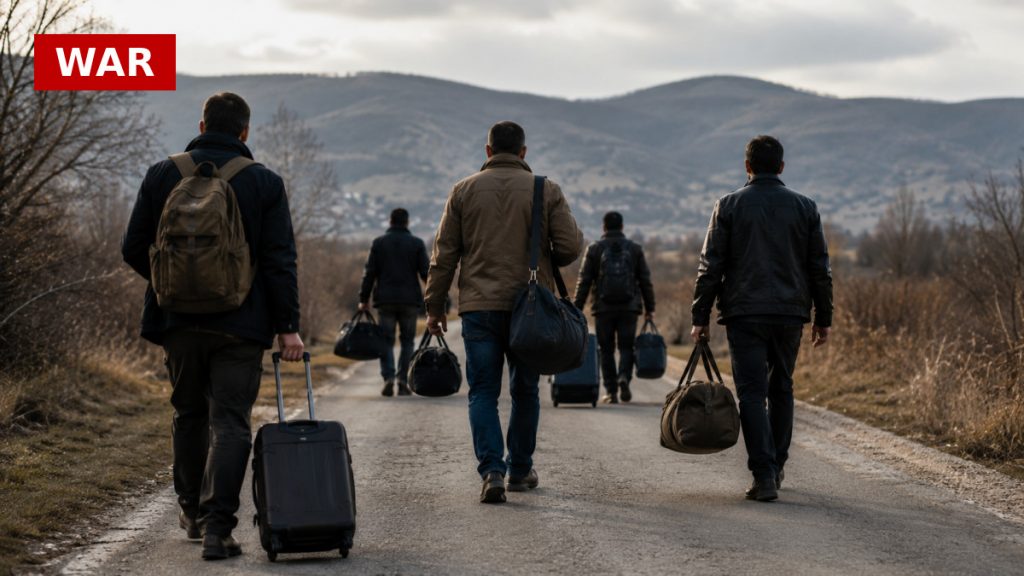
Recent reports from the UN Interim Force in Lebanon (UNIFIL) highlight a troubling increase in Israeli military activity, with an average of 137 projectiles fired daily over the past two weeks. This escalation has resulted in significant civilian suffering in southern Lebanon, as families face displacement and disruption to their daily lives due to the ongoing violence.
Despite a ceasefire agreement renewed in June, tensions remain high, particularly with Hezbollah’s refusal to disarm until Israeli forces withdraw from occupied areas. The UNIFIL has been actively monitoring the situation, ensuring humanitarian access and attempting to mitigate risks posed by explosives, but the situation for civilians continues to deteriorate.
Lebanon’s President has expressed support for extending UNIFIL’s mandate, emphasizing its importance for stability in the region. However, the future of this peacekeeping force is uncertain, with debates ongoing about its role and effectiveness in the face of rising hostilities.
As the Israeli military intensifies its operations, experts warn that the strategy appears aimed at collectively punishing the Lebanese population, particularly in Shia-majority areas. This approach not only exacerbates humanitarian crises but also complicates the already fragile political landscape in Lebanon, raising concerns about long-term stability and security in the region.
Source: Al Jazeera