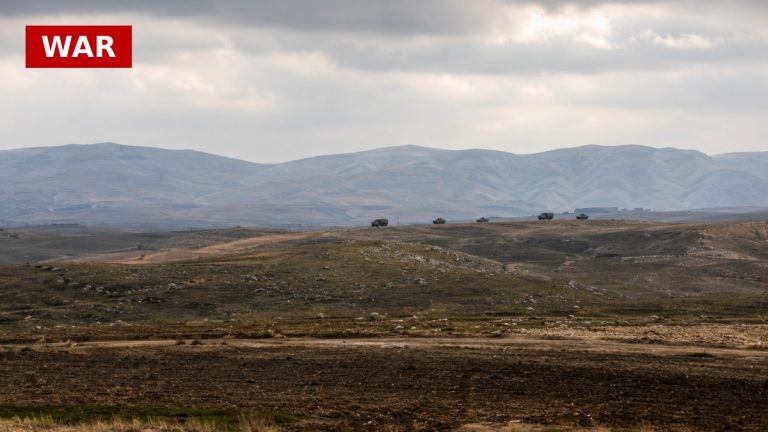
As Iran claims the US is planning a renewed bombing campaign, the Middle East braces for potential violence. This development follows Houthi attacks on Riyadh, marking a significant shift in regional dynamics. The situation raises concerns over the stability of oil supplies and the security of US interests in the region.
Governments across the Middle East are reacting with heightened alertness, particularly as Donald Trump hints at drastic actions against Iran. The implications of these statements could lead to increased military presence and a shift in US foreign policy, which may not only impact diplomatic relations but also fuel local conflicts.
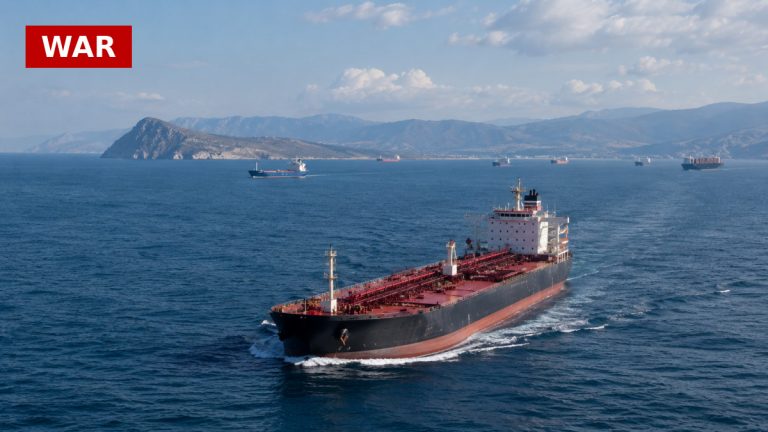
The broader economic consequences are also significant. With the strait of Hormuz already under strain, any escalation could disrupt vital shipping routes, leading to increased energy prices and economic instability in Europe and beyond. Countries like France are already preparing for potential fuel shortages, indicating the far-reaching effects of this conflict.
As the UN General Assembly approaches, the discussions will likely centre around these tensions. The outcome of these talks could shape the future of US involvement in the Middle East and its relationships with key allies, altering the geopolitical landscape for years to come.
Source: The Guardian