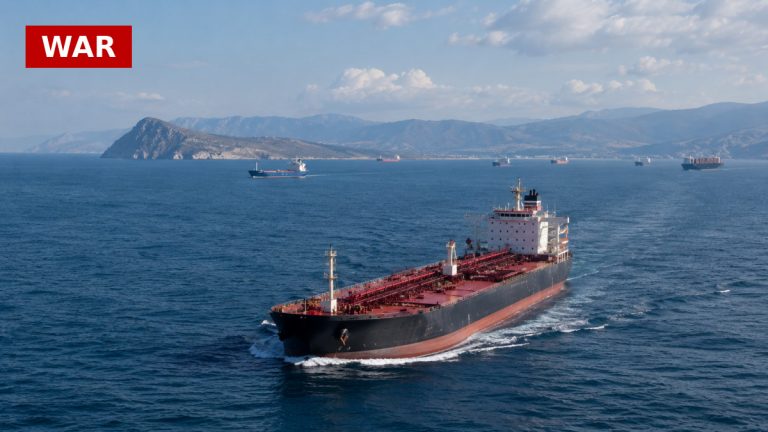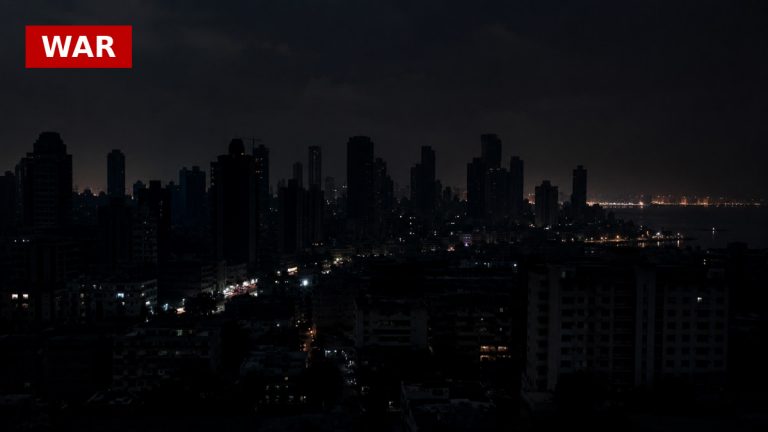
The ongoing military conflict between the US and Iran has significant implications for global trade, particularly through the Strait of Hormuz, a critical shipping route for oil. As US strikes continue against Iranian military targets, the Iranian Revolutionary Guard Corps (IRGC) has retaliated, claiming responsibility for attacks on US assets in Bahrain and Kuwait. This escalation raises concerns about the safety of maritime operations in the region, potentially disrupting oil supplies and increasing shipping costs.
The IRGC’s warning to shipping companies about the dangers of navigating the Strait of Hormuz highlights the vulnerability of global supply chains. With Iran asserting that it could close the strait, the risk of a major disruption in oil exports looms large. This situation could lead to increased oil prices, affecting economies worldwide, including the UK, which relies heavily on imported oil.
Furthermore, the conflict’s impact extends beyond immediate military actions. The ongoing instability in the region may deter investment and exacerbate existing tensions, leading to long-term economic consequences. Companies operating in or near the Gulf may need to reassess their risk management strategies, potentially leading to shifts in trade routes and supply chain logistics.
As diplomatic talks continue, the situation remains fluid. However, the current military actions signal a precarious balance that could tip further, affecting not just regional stability but also global economic dynamics, particularly in energy markets.
Source: Al Jazeera