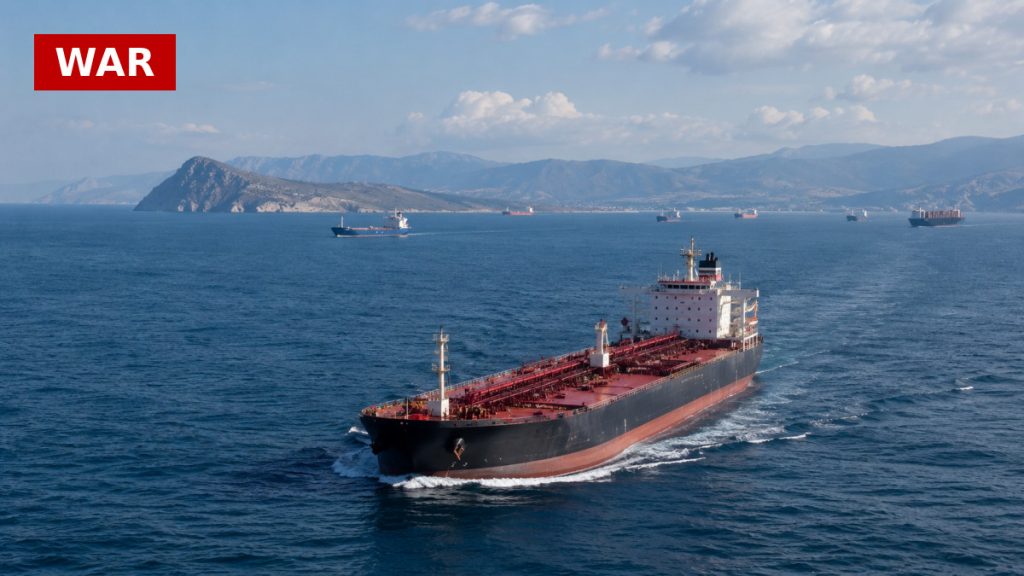
The recent missile strike on an ADNOC tanker by Iran in the Strait of Hormuz has raised significant concerns about regional stability and global energy security. This strategic waterway is crucial for the transportation of a large portion of the world’s oil, and any disruption can have far-reaching implications for energy prices and supply chains worldwide.
The UAE’s condemnation of the attack highlights a growing frustration among Gulf nations regarding Iran’s aggressive tactics. With the UAE and its allies calling for international intervention, the situation could escalate further, potentially leading to increased military presence in the region. This may affect shipping routes and insurance costs for vessels transiting the strait.
Moreover, the attack is part of a broader pattern of hostility from Iran’s Revolutionary Guard Corps, which has previously threatened vessels linked to its adversaries. The ongoing conflict has already seen multiple attacks on shipping, raising fears of a wider confrontation that could disrupt oil supplies and drive up prices.
As tensions mount, businesses and consumers alike should prepare for potential fluctuations in energy costs. The situation serves as a reminder of the vulnerabilities in global supply chains and the interconnectedness of geopolitical stability and everyday economic realities.
Source: Al Jazeera