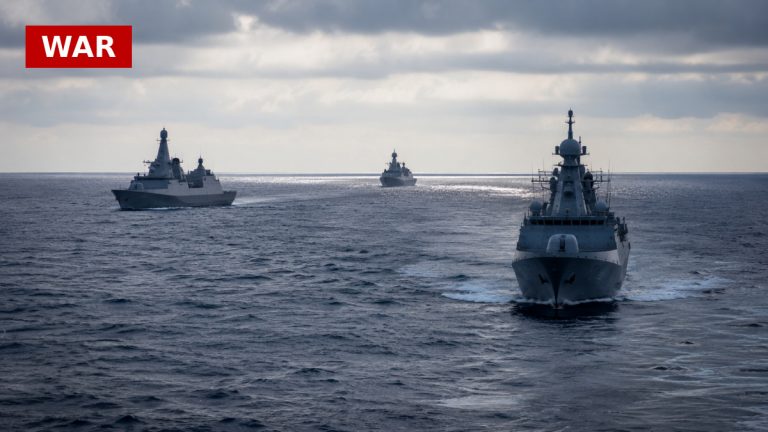
US President Donald Trump has ramped up threats against Iran, vowing to target the country’s power plants and bridges if Tehran does not agree to negotiate. This aggressive stance comes amid ongoing military actions in the Strait of Hormuz, a crucial shipping route for global oil and gas. Trump’s comments signal a potential shift in US strategy, moving from economic pressure to direct military threats, which could have severe implications for regional stability.
The threat to civilian infrastructure raises significant legal and ethical concerns, as such actions could violate international humanitarian law. The potential for widespread humanitarian crises looms large if power and water facilities are destroyed, impacting millions of civilians. This could also provoke further retaliation from Iran, escalating the conflict and drawing in other regional players.
Moreover, the ongoing military actions and threats could disrupt global oil markets, leading to increased prices and economic instability. The Strait of Hormuz is vital for oil transport, and any military escalation could threaten the flow of oil, affecting economies far beyond the Middle East.
As tensions rise, the prospect of a diplomatic resolution appears increasingly bleak. The US’s renewed blockade and military strikes may push Iran to respond aggressively, potentially igniting a broader conflict that could have lasting repercussions for international relations and global security.
Source: The Guardian