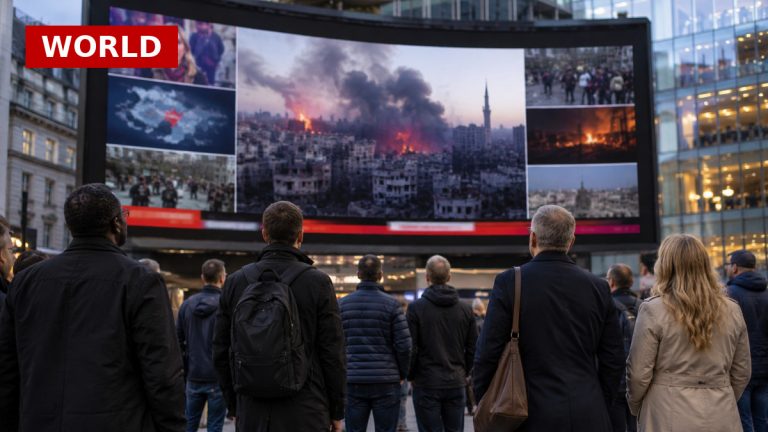
The ongoing conflict between Israel and Hezbollah has intensified, with Israel advancing deeper into Lebanon, raising concerns about regional stability. The ceasefire, already fragile, is now effectively shattered, prompting thousands of Lebanese to flee their homes once again. This escalation not only affects those directly involved but also has broader implications for U.S.-Iran relations, as both nations send conflicting messages regarding negotiations for peace.
Iran has suspended indirect talks with the U.S., linking any potential agreement to the situation in Lebanon. This move highlights the interconnectedness of regional conflicts and the potential for further escalation if diplomatic efforts fail. The U.S. response has been equally ambiguous, with President Trump suggesting that talks are ongoing while also indicating a preference for silence in negotiations.
The situation is precarious, with both sides exchanging threats and military actions. Israel’s recent occupation of strategic locations in Lebanon, such as Beaufort Castle, underscores its commitment to its military objectives, which could provoke further Iranian retaliation. The Iranian military has warned Israeli citizens to evacuate northern areas, indicating a potential for increased violence.
As peace talks are scheduled in Washington, the war-weary Lebanese population is left hoping for a resolution. The outcome of these negotiations could significantly impact not only Lebanon but also the broader geopolitical landscape, affecting U.S. interests and the stability of the region in the long term.
Source: PBS News