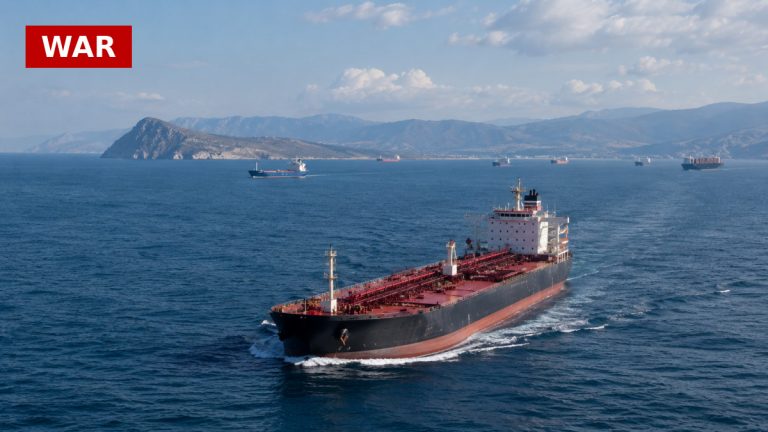
The recent U.S. military strikes on Iran mark a significant escalation in tensions, particularly affecting global oil markets and security in the Strait of Hormuz. President Trump’s declaration that the ceasefire is ‘over’ signals a shift in U.S. foreign policy, potentially leading to increased military engagement in the region. This could disrupt shipping routes critical for oil transport, raising concerns about rising fuel prices and economic stability worldwide.
The strikes aim to degrade Iran’s military capabilities, specifically targeting radar and missile systems. However, this aggressive stance may provoke further retaliation from Iran, complicating diplomatic efforts and heightening risks for U.S. allies in the region. The situation is precarious, as Iran’s response could involve asymmetric warfare tactics, impacting not only military assets but also civilian shipping.
Moreover, the U.S. actions could influence NATO dynamics, as allies reassess their positions in light of Trump’s unpredictable approach. The potential for a broader conflict looms, with implications for global security and energy markets. As tensions rise, the international community will be closely monitoring developments, weighing the risks of escalation against the need for stability.
In the long term, this situation may reshape U.S. relations with both Iran and its allies, as the balance of power in the region continues to shift. The consequences of these strikes extend beyond immediate military objectives, potentially altering the geopolitical landscape significantly.
Source: PBS News