The recent U.S. airstrikes against Iran mark a significant escalation in a conflict that threatens to destabilise the Middle East further. Targeting Iranian military infrastructure, including bridges and desalination plants, these strikes are a direct response to the deaths of U.S. troops and underscore a deteriorating security situation in the region. As Iran retaliates with missile strikes towards Jordan, the potential for wider conflict looms, raising alarms for U.S. allies in the area.
This military action not only impacts regional stability but also has implications for global oil supply, as the Strait of Hormuz is a critical transit route for a significant portion of the world’s oil. The U.S. has reimposed a naval blockade on Iranian ports, which could disrupt oil shipments and lead to increased prices worldwide. With Iran’s threats to retaliate, the situation could escalate further, affecting international markets and energy security.
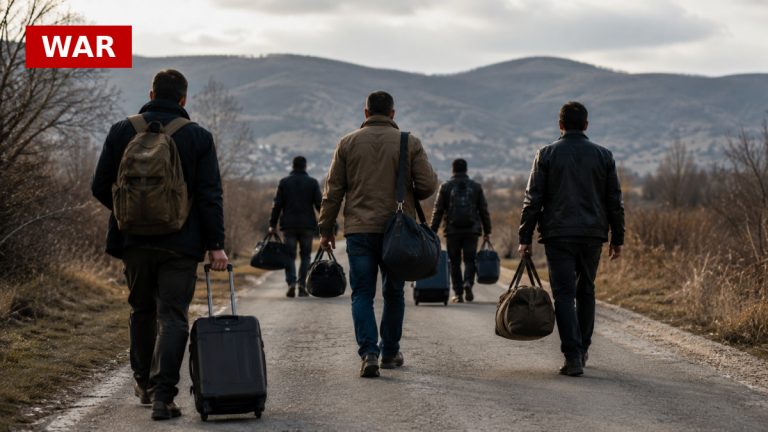
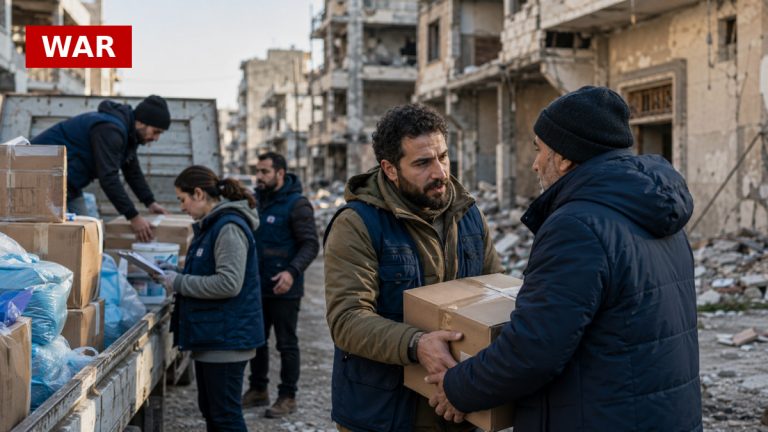
Moreover, the strikes have targeted civilian infrastructure, raising concerns about adherence to international humanitarian law. The Gulf Cooperation Council has accused Iran of war crimes, highlighting the risks to civilian populations and essential services. As attacks on civilian facilities increase, the humanitarian impact could become severe, leading to a potential refugee crisis in the region.
As tensions rise, the U.S. and its allies must navigate a complex landscape where military actions could provoke further Iranian aggression. The situation remains fluid, and the consequences of these strikes could reshape the geopolitical landscape in the Middle East for years to come.
Source: PBS News