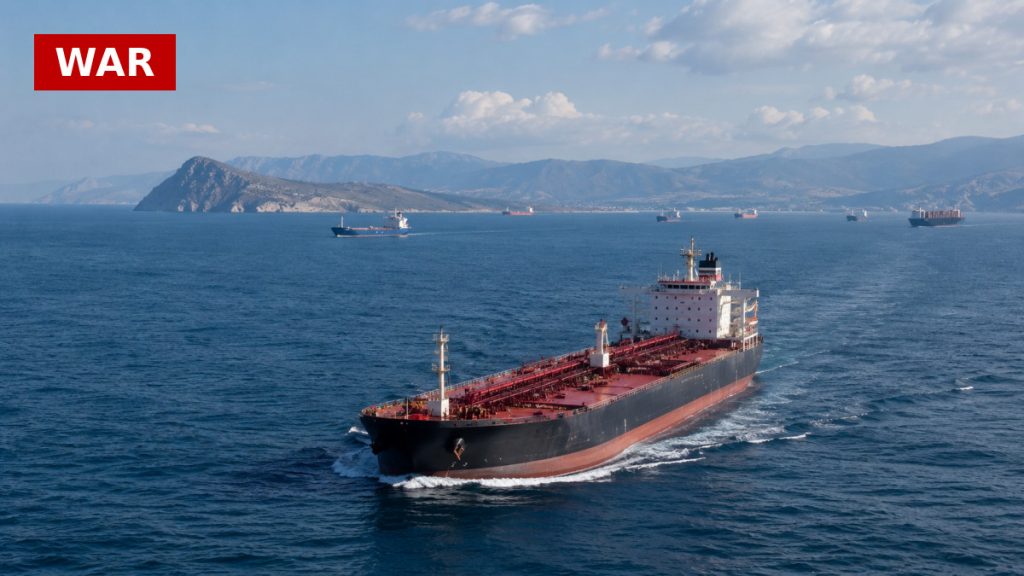
The recent escalation of military actions between the U.S. and Iran marks a significant turning point in Middle Eastern geopolitics. The U.S. has intensified its strikes against Iranian military capabilities while reimposing a naval blockade on Iranian ports. This blockade aims to cut off Iran’s oil revenue, a critical lifeline for its economy, potentially leading to increased instability in the region.
Iran’s retaliatory strikes against U.S. allies, including attacks on shipping routes and military bases, highlight the risks of broader conflict. The situation is exacerbated by Iran’s refusal to reopen the vital Strait of Hormuz, a key maritime route for global oil shipments. As tensions rise, the price of oil has spiked, reflecting market fears of prolonged instability.
The implications for the UK are profound, as rising oil prices could impact household finances and fuel costs. Additionally, the UK’s energy security may be threatened if the conflict disrupts global oil supplies. The situation necessitates close monitoring, as any further escalation could have direct consequences for UK businesses and consumers.
With both sides vowing to continue their military actions, the potential for a full-scale war looms large. The international community, including the UK, must navigate these tensions carefully to avoid a wider conflict that could destabilize the region and impact global markets.
Source: PBS News