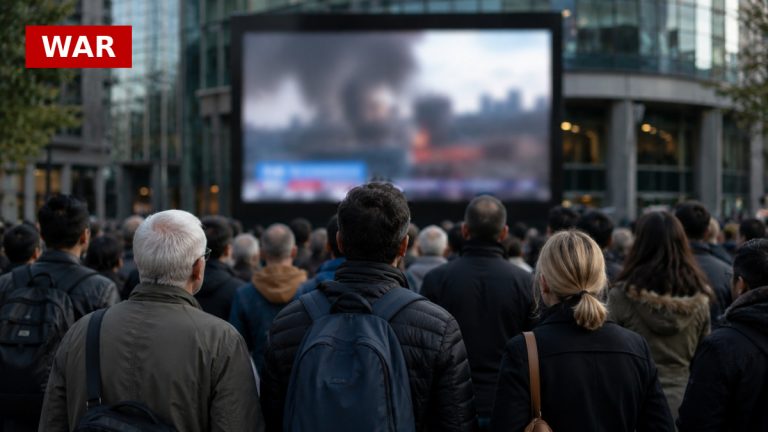
As the conflict between the US and Iran enters its 96th day, military actions have intensified across the Gulf region. The US military has conducted strikes on Iran’s Qeshm Island, citing self-defence, while Iranian forces have reportedly targeted US assets in retaliation. This escalation is not just a bilateral issue; it has implications for regional stability, with neighbouring countries like Kuwait and Bahrain activating their air defence systems in response to incoming threats.
The ongoing military exchanges highlight the fragility of diplomatic efforts aimed at resolving the conflict. With the US rejecting any deals linked to the Strait of Hormuz unless Iran relinquishes its enriched uranium, the prospect for negotiations appears bleak. This hardline stance could prolong the conflict, affecting not only military strategies but also economic conditions in the region.
The situation raises concerns about the potential for broader military engagement, which could disrupt oil supplies and impact global markets. As tensions rise, the everyday lives of citizens in the Gulf are increasingly at risk, with air raid sirens and military alerts becoming part of their daily routine.
In this volatile environment, the interconnectedness of military actions and diplomatic failures underscores the urgent need for a resolution. The ongoing conflict could have long-lasting effects on regional security and international relations, making it crucial for stakeholders to seek a peaceful solution before the situation escalates further.
Source: Al Jazeera