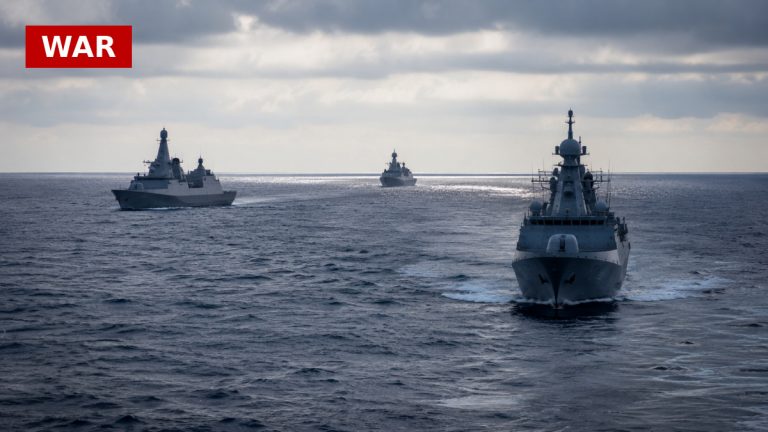
The recent exchange of strikes between the US and Iran marks a significant escalation in their ongoing conflict, with potential ramifications for global oil supplies. As tensions rise, the Strait of Hormuz, a crucial maritime route for oil transport, has been declared ‘completely closed’ by Iranian forces, raising fears of further disruptions in energy markets.
This conflict has already led to a notable spike in oil prices, which have surged over 25% since the war began. The international benchmark for crude oil has now surpassed $93 a barrel, impacting household energy costs and inflation rates worldwide. The situation underscores the vulnerability of global energy supplies to geopolitical tensions, particularly in the Middle East.
Moreover, the US strikes targeting Iranian military capabilities highlight a shift in military strategy, suggesting that negotiations may be sidelined in favour of military action. This could lead to a prolonged conflict, further destabilising the region and complicating diplomatic efforts.
As the situation develops, consumers and businesses alike should prepare for potential fluctuations in energy prices and supply chain disruptions, as the conflict continues to unfold and its impacts ripple through the global economy.
Source: Euronews