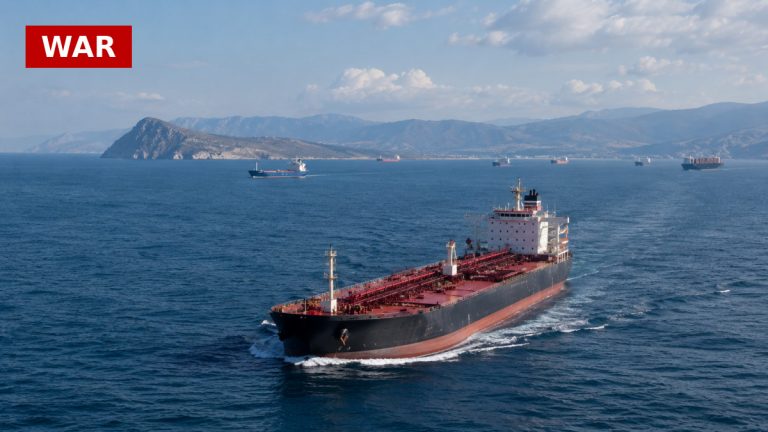
Recent military exchanges between the US and Iran have escalated tensions in the Middle East, jeopardising a fragile ceasefire that has been in place since early April. The US military intercepted Iranian drones targeting the Strait of Hormuz, a crucial maritime route for global oil and gas shipments, prompting retaliatory strikes on Iranian radar installations. This cycle of aggression raises concerns about the stability of the region and the potential for further conflict.
The Strait of Hormuz is vital for international energy markets, with a significant portion of the world’s oil and liquefied natural gas passing through it. Any disruption in this area could lead to increased energy prices and supply chain issues globally. The recent strikes have already triggered air raid alerts in nearby US-allied countries, indicating the broader implications of this conflict.
Iran’s Revolutionary Guards have responded with missile strikes, claiming to target US bases in the region. Although CENTCOM reported no US casualties, the situation remains volatile, with both sides on high alert. The ongoing military actions threaten to undermine diplomatic efforts aimed at stabilising the region and reopening the Strait of Hormuz for safe passage.
As tensions rise, the potential for miscalculation increases, which could lead to a larger conflict. The international community is closely monitoring these developments, as the consequences of a breakdown in ceasefire could have far-reaching effects on global security and energy markets.
Source: Euronews