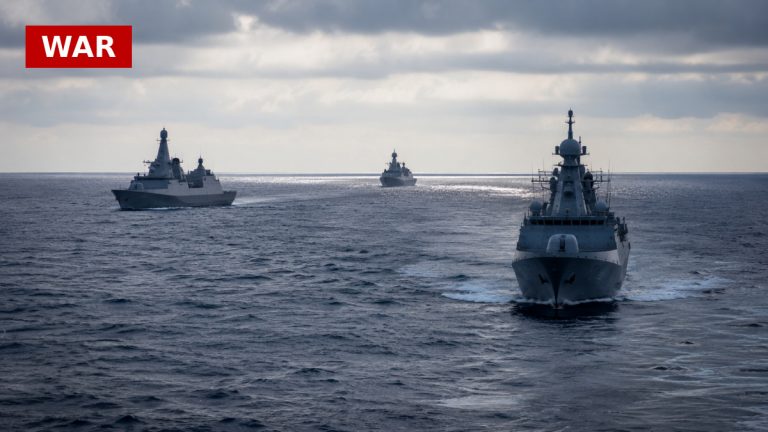
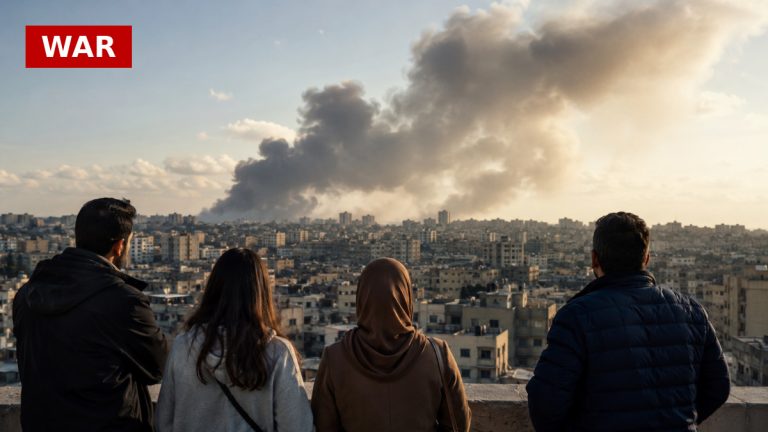
The ongoing US military strikes against Iran have reached a critical point, with the latest attacks targeting key military installations across the country. This escalation comes as the number of tanker crossings in the vital Strait of Hormuz has plummeted, raising concerns about global oil supply and shipping security. Just one tanker managed to cross the strait recently, the lowest figure in over two months, highlighting the increasing risks for maritime operations in the region.
The Houthis’ blockade against Saudi shipping adds another layer of complexity, as two Chinese supertankers successfully navigated through the Bab al-Mandeb strait despite the tensions. This situation underscores a shift in shipping routes and alliances, potentially impacting global oil markets and trade dynamics. The implications of these developments could lead to higher oil prices and increased shipping costs, affecting consumers and businesses worldwide.
As the US considers more extensive military action, the rhetoric from both sides intensifies. Iranian officials have warned that using frozen assets to cover damages from US actions could set a dangerous precedent, raising fears of broader economic instability. Such moves could provoke further retaliatory measures, complicating diplomatic efforts and regional security.
The situation remains fluid, with potential knock-on effects for international relations and economic stability. As shipping routes become more perilous, businesses may need to reassess their logistics and supply chains, while consumers could face rising costs for goods reliant on oil transport. The unfolding events in the region are not just a military concern but a significant economic issue that could resonate far beyond the immediate conflict.
Source: Al Jazeera