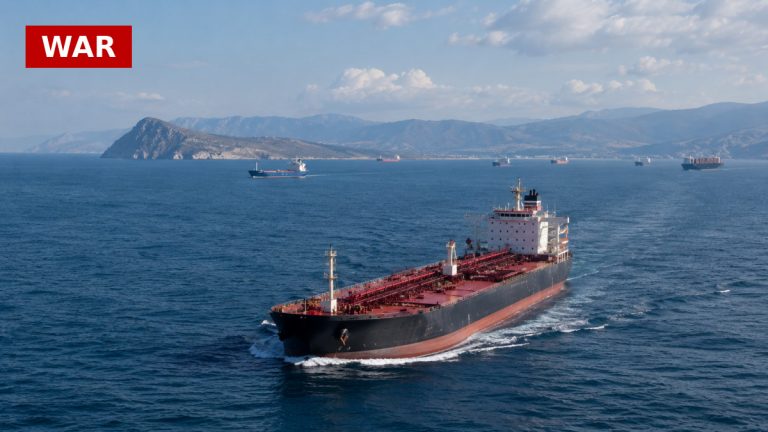
The recent destruction of Iranian tankers by the US military marks a significant escalation in the ongoing conflict in the Gulf region. Following Iran’s missile attacks on a US Navy warship, the US responded decisively, striking multiple tankers in the Gulf of Oman. This tit-for-tat violence not only heightens military tensions but also has immediate implications for global oil prices, which have surged past $100 a barrel.
The situation underscores the vulnerability of maritime trade routes, particularly the Strait of Hormuz, a critical passage for oil shipments. With Iran’s Islamic Revolutionary Guard Corps (IRGC) warning of further attacks on vessels, shipping companies may face increased risks, prompting them to reconsider routes and insurance costs. This could lead to higher prices for consumers as oil supply chains are disrupted.
Moreover, the US’s military actions signal a shift in its strategy towards a more aggressive posture in the region. As the US continues to patrol these waters, the potential for miscalculations or further retaliatory strikes increases, creating a precarious environment for international shipping.
The broader implications of this conflict extend beyond immediate military concerns, as countries like South Korea and France engage in discussions about regional security. The potential for a wider conflict could reshape alliances and impact global energy markets, making it essential for stakeholders to monitor developments closely.
Source: The Guardian