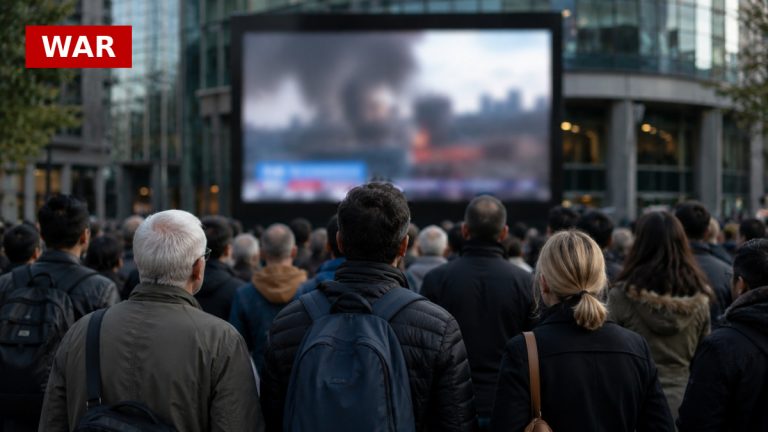
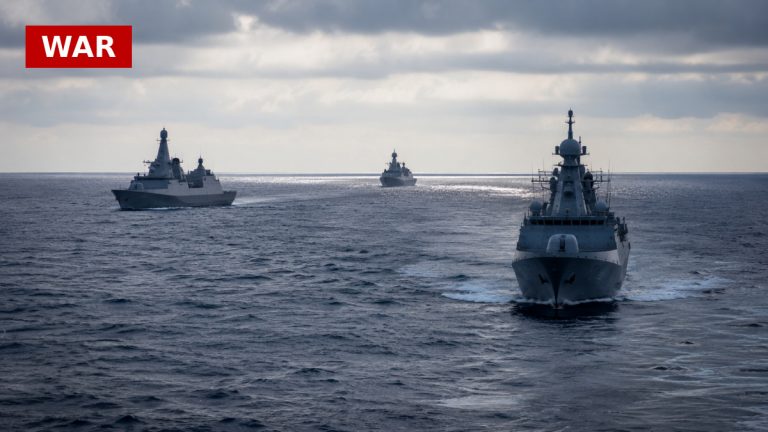
The recent US military strikes against Iran’s Islamic Revolutionary Guards Corps (IRGC) mark a significant escalation in ongoing hostilities. This action, described as a response to Iranian missile attacks on American troops, highlights the precarious balance of power in the Middle East. The strikes targeted key military infrastructure, aiming to reduce threats not only to US forces but also to commercial shipping and regional allies.
As the conflict intensifies, the implications for global oil markets and shipping routes, particularly through the Strait of Hormuz, are profound. Any disruption in this critical passage could lead to increased oil prices and economic instability, affecting households and businesses far beyond the region. The potential for further military engagement raises concerns about a broader conflict that could involve multiple nations.
Moreover, the breakdown of peace negotiations, previously facilitated by Pakistan, suggests a troubling trend towards prolonged conflict. The Iranian regime’s willingness to confront US forces indicates a shift in strategy that could embolden other regional actors, complicating diplomatic efforts and increasing the risk of miscalculations.
In the UK, the ramifications of this conflict could influence foreign policy and security strategies, as the government assesses its role in a rapidly changing geopolitical landscape. The situation remains fluid, with the potential for further military actions and diplomatic fallout that could reshape international relations in the coming months.
Source: Radio Free Europe/Radio Liberty