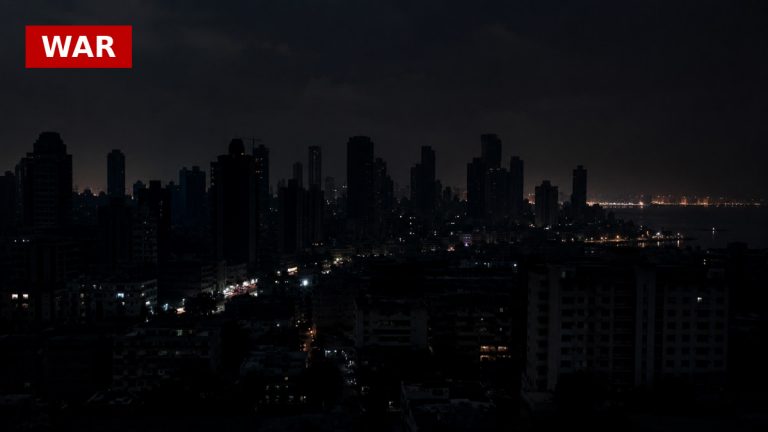
Russia has ramped up its threats against Kyiv, warning of systematic strikes targeting key decision-making centres and military facilities. This follows one of the largest aerial assaults on the Ukrainian capital, which resulted in significant civilian casualties and damage to non-military sites. The Kremlin’s call for foreign nationals to evacuate Kyiv is seen as a psychological tactic, heightening fears of further escalation in the conflict.
For residents in Kyiv and surrounding areas, the implications are dire. The recent attacks have already strained the city’s air defence systems, which, despite improvements, struggle to intercept the sheer volume of missiles and drones launched by Russia. As the conflict intensifies, the risk of civilian casualties remains high, and the psychological toll on the population is profound.
This situation also has broader implications for international relations. As Ukraine continues to defend itself, the reliance on foreign military support becomes increasingly critical. The ongoing conflict may influence diplomatic stances and military aid from Western nations, which could shape the future of Ukraine’s defence capabilities.
For the UK, this escalation serves as a reminder of the fragile security landscape in Europe. Increased military activity in Ukraine could lead to shifts in defence policies and heightened awareness of potential threats, impacting how the UK approaches its own security and foreign policy in the region.
Source: BBC News