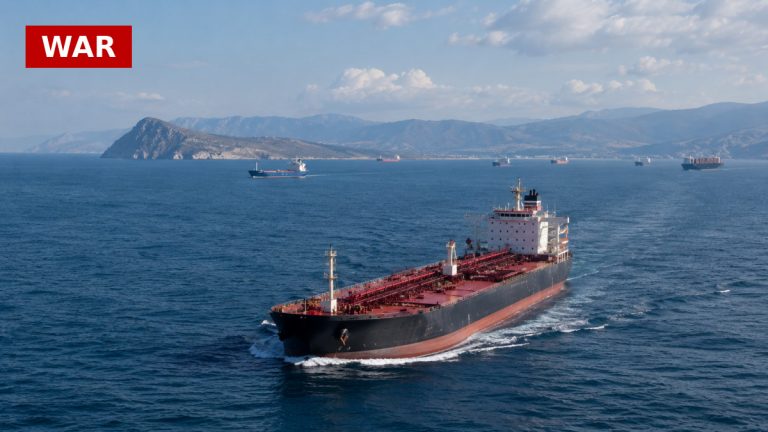
The recent US strikes on Iranian military targets, particularly in the strategic port city of Bandar Abbas, have raised concerns about the stability of the Strait of Hormuz. This waterway is crucial for global oil and gas shipments, with about one-fifth of the world’s liquefied natural gas and oil passing through it. The ongoing conflict has already disrupted traffic in the strait, leading to increased global energy prices.
As the US and Iran navigate a fragile ceasefire, the potential for further military action could exacerbate these disruptions. If tensions escalate, we may see a significant impact on fuel prices in the UK, as energy costs are closely tied to stability in this region. Consumers could face higher bills at the pump and increased costs for goods that rely on oil for transportation.
Moreover, the situation highlights the interconnectedness of global markets. UK businesses that depend on stable energy prices may need to prepare for volatility, affecting everything from manufacturing costs to consumer prices. The sanctions imposed on Iran also signal a broader strategy that could have long-term implications for international trade and energy security.
In summary, while the immediate effects of these strikes may not be felt directly in the UK, the potential for rising energy prices and disrupted supply chains could impact households and businesses alike in the near future.
Source: BBC News