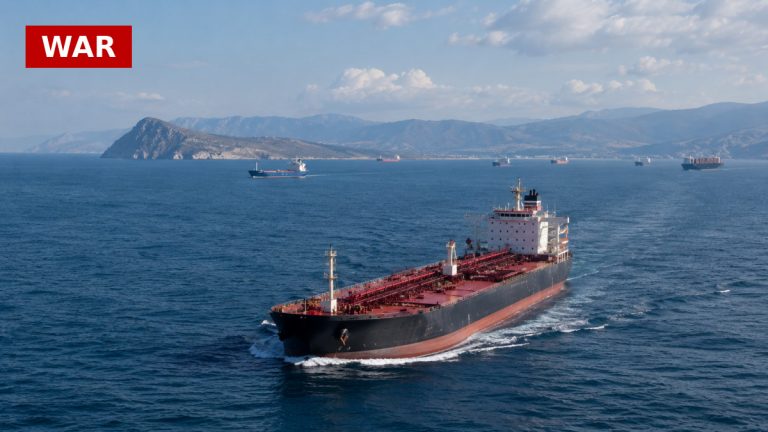
The ongoing conflict between the US and Iran is increasingly shifting to maritime confrontations, particularly in the Strait of Hormuz. Recent attacks on oil tankers have raised alarms about potential environmental disasters, with millions of barrels of oil at risk. The Gulf is a critical passage for global oil transport, and any significant strike could lead to catastrophic oil spills that would devastate marine ecosystems.
Currently, 42 tankers are waiting to transit the Strait, with 18 carrying oil. The combined capacity of these vessels is approximately 1.76 million cubic metres, equivalent to about 11 million barrels of oil. A successful strike could release millions of litres of oil into the Gulf, contaminating coastlines and harming fragile marine life, including coral reefs and mangroves that are vital for local fisheries.
The historical context of oil spills in the region highlights the long-term environmental damage that can occur. Past conflicts have left a legacy of pollution, with oil spills affecting coastlines for decades. The current situation poses a similar threat, as the Gulf’s unique marine habitats are particularly vulnerable to pollution due to limited water exchange with the Indian Ocean.
As tensions escalate, the potential for environmental catastrophe grows. The implications of these maritime attacks extend beyond immediate geopolitical concerns, threatening the delicate balance of marine ecosystems that support both biodiversity and local economies dependent on fishing and tourism.
Source: Al Jazeera