As Israel approaches its elections on October 27, recent military actions have intensified, raising significant humanitarian concerns. The Israeli military’s airstrikes have resulted in numerous civilian casualties, including children, and have exacerbated the already dire living conditions in Gaza. With reports indicating that over 57 Palestinians have died in just one week, the international community is increasingly alarmed by potential violations of humanitarian law.
The Israeli government’s actions, including the establishment of new settlements and demolition orders, suggest a strategic push to alter the landscape in the occupied territories. This expansionist policy not only threatens Palestinian homes but also complicates any future peace negotiations. The funding for these settlements, amounting to billions of shekels, indicates a commitment to a long-term strategy that prioritizes territorial control over diplomatic solutions.
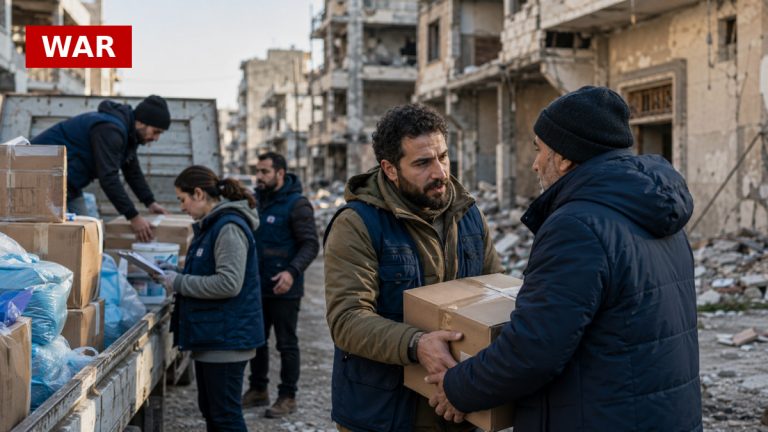
Moreover, the humanitarian situation in Gaza is deteriorating rapidly, with many families lacking access to clean water and basic necessities. The blockade and military actions have led to skyrocketing prices for essential goods, threatening food security and the livelihoods of countless families. This situation could lead to further instability in the region, impacting not just Gaza but also the broader Middle East.
As the elections draw near, the Israeli government’s military actions may be aimed at consolidating support among right-wing voters, but they risk igniting further violence and unrest. The implications of these actions extend beyond immediate casualties, potentially setting the stage for a prolonged conflict that could destabilize the region for years to come.
Source: Al Jazeera