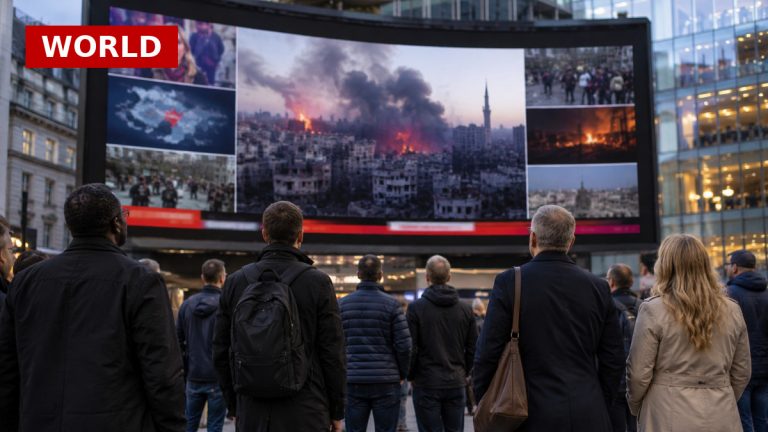
The recent violence in Gaza during Eid al-Adha highlights a troubling trend of escalating conflict, with at least 33 Palestinians killed over the holiday period. This surge in violence, despite a supposed ceasefire, underscores the fragility of peace in the region and raises questions about the effectiveness of international diplomatic efforts.
Israeli Prime Minister Benjamin Netanyahu’s directive to expand control over Gaza from 60% to 70% signals a significant shift in territorial dynamics, potentially leading to further unrest. This expansionist approach, coupled with targeted assassinations of Hamas leaders, suggests a preparation for renewed conflict, which could destabilise the already dire humanitarian situation in Gaza.
The international community’s response has been mixed, with the EU imposing sanctions on extremist settlers while Germany opposes any permanent division of Gaza. This reflects a growing concern over Israel’s actions, yet the lack of unified global pressure may embolden further aggression.
As violence continues, the implications for everyday life in Gaza are severe, with families caught in the crossfire and humanitarian conditions worsening. The ongoing conflict not only affects those directly involved but also has broader repercussions for regional stability and international relations, particularly as reports of human rights abuses emerge, complicating diplomatic efforts.
Source: Al Jazeera