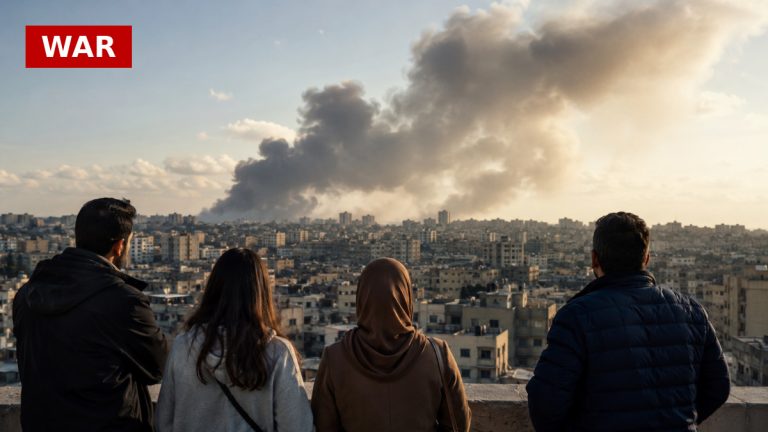
Recent Israeli air strikes in Gaza City have resulted in the deaths of at least 11 individuals, including women and children. This escalation highlights the ongoing humanitarian crisis in the region, exacerbated by repeated military actions despite a US-brokered ceasefire. The strikes targeted residential buildings in areas like Sheikh Radwan and Shati refugee camp, causing widespread panic and destruction.
The implications of these strikes extend beyond immediate casualties. With over 940 deaths reported since the ceasefire began, the situation in Gaza is deteriorating, raising concerns about the long-term impact on civilian life and infrastructure. Hospitals are overwhelmed, and the humanitarian response is struggling to keep pace with the growing needs of the population.
Moreover, the Israeli government’s intent to expand control over Gaza raises questions about future stability and security in the region. As Israel aims to increase its territorial claims, the potential for further conflict looms, threatening to deepen the crisis.
This cycle of violence not only affects those directly involved but also has broader implications for international relations and humanitarian efforts. As global attention shifts to other conflicts, the plight of Gazans may be overlooked, leading to a prolonged state of suffering and instability.
Source: BBC News