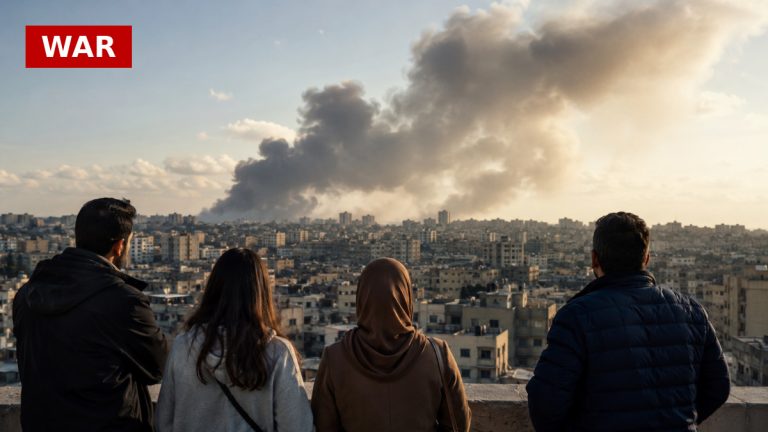
The recent surge in violence in Gaza has led to a staggering humanitarian crisis, with the death toll rising sharply. Over the past week, Israeli airstrikes have killed numerous civilians, including children, highlighting the devastating impact on families and communities. This escalation not only exacerbates the immediate suffering but also threatens to destabilise the region further, complicating any potential peace efforts.
As hospitals struggle to cope with the influx of casualties, essential medical services are being severely disrupted. Fuel shortages have plunged medical facilities into darkness, and the destruction of hospitals has left many without access to critical care. The ongoing violence raises urgent questions about the future of healthcare in Gaza, where chronic diseases are left untreated and basic necessities are in short supply.
The international community is faced with the challenge of addressing this crisis while navigating the complex political landscape. The recent announcement of Palestinian legislative elections, the first in two decades, adds another layer of uncertainty. With infrastructure in ruins and voting rights in occupied territories still unaddressed, the feasibility of these elections remains in doubt.
Moreover, the systematic expansion of Israeli settlements in the West Bank continues unabated, further complicating the situation. As land is seized and communities are displaced, the prospect for a peaceful resolution diminishes, leaving many to wonder about the long-term implications for both Palestinians and Israelis in this ongoing conflict.
Source: Al Jazeera