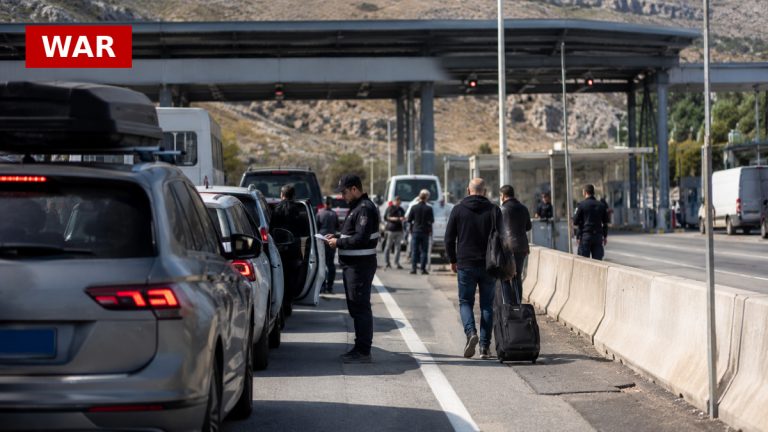
The ongoing conflict between Israel and Lebanon has resulted in a staggering death toll, with nearly 9,000 people killed since 2023. This violence has not only devastated families but also severely impacted healthcare services, as 179 attacks on ambulance crews have resulted in the deaths of 135 healthcare workers. The humanitarian crisis is deepening, with approximately 360,000 people displaced, many living in collective shelters, highlighting the urgent need for international intervention.
Despite two US-brokered peace agreements signed in June, tensions remain high. The agreements, which hinge on Hezbollah’s disarmament, have been rejected by Hezbollah leaders, who demand an end to Israeli occupation before any disarmament can occur. This impasse raises concerns about the potential for further violence and instability in the region, as Israeli military operations continue unabated.
The situation is exacerbated by Israel’s ongoing military presence in southern Lebanon, which it claims is necessary for security. However, this occupation has led to increased hostility and retaliatory actions from Hezbollah, further complicating the peace process. The recent airstrikes and artillery shelling in southern Lebanon illustrate the fragile state of affairs and the potential for escalation.
As the conflict continues, the implications for regional stability and international relations are profound. The humanitarian crisis demands urgent attention, and the international community must navigate the complexities of this conflict to prevent further loss of life and suffering.
Source: Al Jazeera