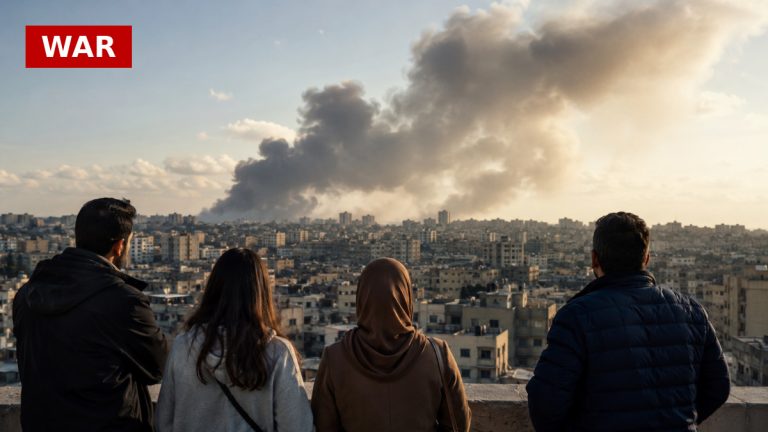
Recent Israeli airstrikes in southern Lebanon have resulted in at least 14 fatalities, intensifying an already volatile situation in the region. This escalation comes despite Iranian threats of retaliation, highlighting the precarious balance of power in the Middle East. The strikes have not only caused loss of life but have also damaged significant cultural sites, raising concerns about the long-term impact on Lebanon’s heritage and tourism.
The ongoing conflict has broader implications for regional stability, particularly as Hezbollah, backed by Iran, continues to assert its military presence. The potential for further escalation is significant, as both Israel and Iran have indicated they will not back down. This could lead to a cycle of violence that disrupts daily life for civilians and complicates international diplomatic efforts.
Moreover, the humanitarian toll is staggering, with reports indicating over 3,600 deaths since the conflict reignited in March. The international community is watching closely, as the situation could spill over into a wider regional conflict, affecting global oil markets and international relations.
As tensions rise, the future of Lebanon hangs in the balance. The potential for increased military operations and civilian casualties raises urgent questions about the effectiveness of current diplomatic efforts and the need for a sustainable ceasefire to protect innocent lives and cultural heritage.
Source: Euronews