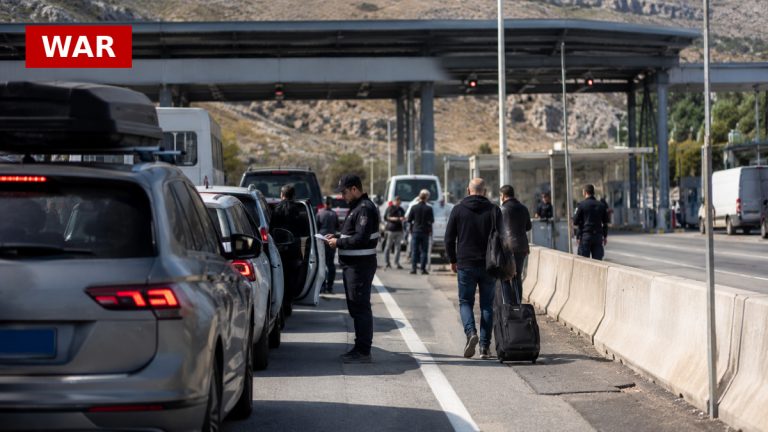
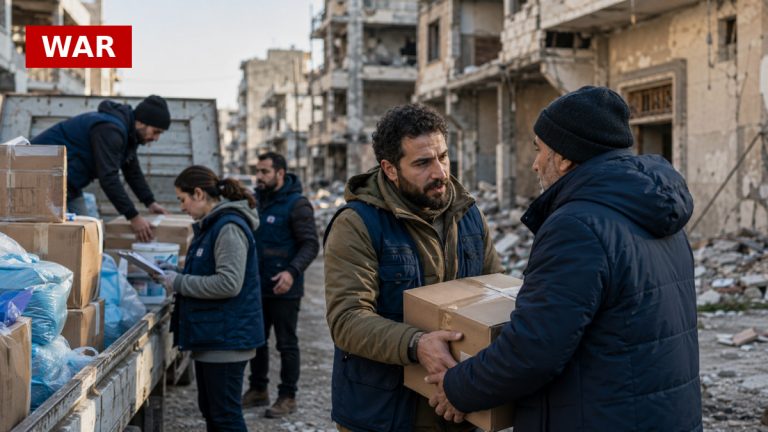
Recent Israeli airstrikes in southern and eastern Lebanon have resulted in at least five fatalities, despite a purported ceasefire extension with Hezbollah. This violence underscores the fragility of the ceasefire agreement, which has not been effectively observed since its inception. The ongoing conflict has already displaced over 1.2 million people and caused significant economic damage to Lebanon, estimated at over $25 billion since the war began in March.
For the UK, this situation highlights the potential for increased instability in the Middle East, which could affect international relations and trade. The humanitarian crisis may lead to further refugee movements, impacting European nations, including the UK, as they navigate their own immigration policies. Additionally, the conflict’s economic ramifications could influence global markets, potentially affecting UK businesses and consumers.
As the situation develops, observers should monitor the outcomes of upcoming negotiations scheduled for early June in Washington. The effectiveness of these talks will be crucial in determining whether a sustainable peace can be achieved or if further escalations are likely.
The ongoing violence and humanitarian crisis in Lebanon serve as a reminder of the interconnectedness of global conflicts and their potential repercussions on UK interests, both politically and economically.
Sources
Al Jazeera World